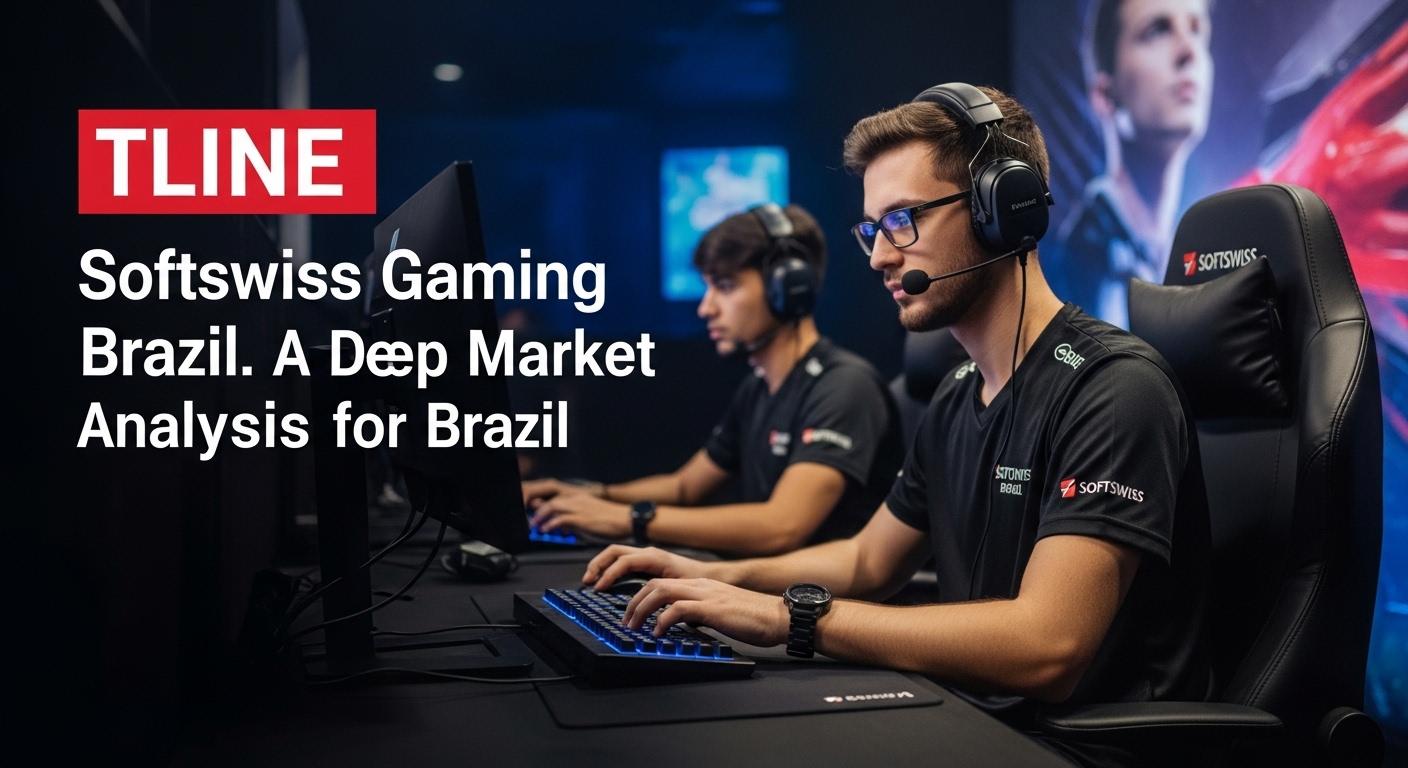
Data-driven analytics graphic showing SoftSwiss in Brazil's gaming market.
Updated: April 15, 2026
softswiss Gaming Brazil enters a pivotal moment in Brazil’s dynamic gaming landscape, signaling both strategic intent and regulatory adaptation. This analysis examines what the move means for operators, regulators, and players across the country, beyond the headlines about partnerships and board appointments.
Regulatory climate and market entry
Brazil’s online gaming policy remains in flux, with industry associations and state-led initiatives shaping how global platforms engage local players. The decision by softswiss Gaming Brazil to align with a national body signals a desire for formal engagement with regulators and peers. In markets where licensing, anti‑money laundering controls, and consumer protection rules influence operator viability, such alignment helps set standards and mitigate risk for product launches and marketing. Yet operators still face a patchwork of regional rules, shifting tax implications, and evolving payment regulations that affect speed to market. For SoftSwiss, the strategic calculus includes balancing global platform capabilities with Brazil-specific compliance, including KYC norms, data security expectations, and payment routing to local processors.
Partnerships and ecosystem dynamics
Joining the association can unlock networks with banks, payment processors, and lottery operators that have a footprint in Brazil’s regulated space. The synergy between SoftSwiss’ technology stack—game content, wallet, and risk controls—and local partners could lower due diligence friction and accelerate customer onboarding. However, partnerships also raise governance questions: how to maintain product integrity, ensure responsible gaming, and manage benefit-sharing with local affiliates. Observers note that Brazil’s market is increasingly selective about vendor accreditation, which can tilt competitive advantages toward operators with established regulatory relationships and transparent data practices. In this context, SoftSwiss must translate cross-border reliability into locally trusted experiences.
Consumer behavior and market dynamics
Beyond licensing, the Brazilian player base is nuanced, with preferences for payment flexibility, mobile-first experiences, and localized content. The SoftSwiss brand’s ability to offer a seamless experience across geographies may translate into stronger retention if it can reconcile global features with Brazilian expectations. Macro factors—inflation, discretionary spending shifts, and the emergence of new digital entertainment options—shape how players respond to promotions, game variety, and platform usability. The challenge for SoftSwiss is to map precise product-market fit, not by porting Western models wholesale, but by calibrating localization, language support, and responsible-gaming safeguards that align with both consumer trust and regulator expectations. In short, the market rewards clarity on terms of service, data privacy, and fair play as much as product novelty.
Operational considerations
From a practical standpoint, the Brazilian entry pathway depends on licensing specifics, tax regimes, and payment rails. Association membership may provide a forum to influence policy debates while signaling commitment to compliance to lenders, partners, and customers. For operators deploying SoftSwiss technology, immediate implications involve regional onboarding timelines, local risk controls, and content localization. In a regulatory environment that can shift with political cycles, scenario planning becomes essential: budgeting for license fees, tax changes, and potential changes to data localization requirements. The deeper question is whether SoftSwiss can convert global platform sophistication into measurable Brazilian growth without compromising transparency or consumer protection standards.
Actionable Takeaways
- For operators: evaluate how association membership could reduce regulatory friction and improve vendor risk management in Brazil.
- For regulators: monitor how global platforms adapt to Brazil’s consumer protections and data governance standards, ensuring fair play and transparency.
- For players: prioritize localized features, clear responsible-gaming commitments, and accessible payment options when evaluating platforms like SoftSwiss offerings in Brazil.
- For SoftSwiss: advance Brazil-specific compliance, cultivate local partnerships, and tailor marketing to Brazilian preferences while maintaining global platform integrity.
- For market watchers: track policy shifts in Brazil and their impact on platform competition, pricing dynamics, and user trust over the next 12–24 months.
Source Context
The following sources provide background on recent developments impacting SoftSwiss and the Brazilian gaming ecosystem. Below are direct links for further reading.
From an editorial perspective, separate confirmed facts from early speculation and revisit assumptions as new verified information appears.
Track official statements, compare independent outlets, and focus on what is confirmed versus what remains under investigation.