
softswiss Gaming Brazil: SoftSwiss in Brazil Gaming: A Deep Market A
Updated: April 15, 2026
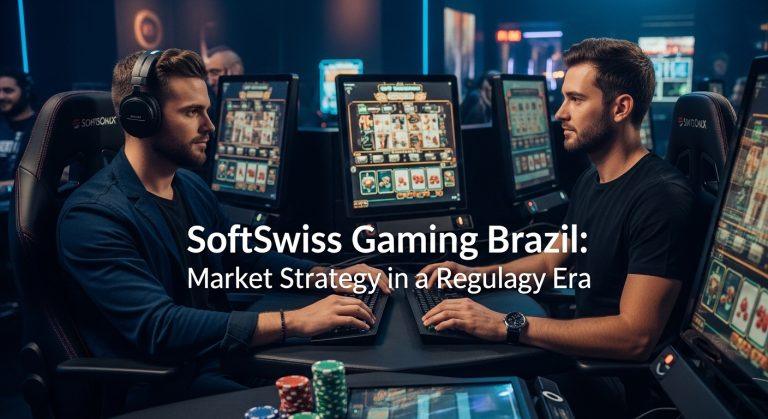
softswiss Gaming Brazil has become a focal point as Brazil’s online gaming policy evolves, drawing attention from operators, regulators, and players alike. The entry of SoftSwiss into the Brazilian landscape appears less as a standalone product launch and more as a signal of how global platforms are recalibrating to fit a market undergoing regulatory and cultural shifts. In this deep-dive, we align regulatory cues with market dynamics to forecast practical implications for players, operators, and the broader ecosystem. The analysis begins with the regulatory backdrop, then moves to operational realities, consumer behavior, and strategic options for stakeholders who must balance growth with compliance in a complex environment.
Regulatory Landscape and Market Entry
Brazil has long framed online gaming within a mosaic of state and federal oversight, with regulatory bodies gradually clarifying licensing pathways and consumer protections. The growing discourse around industry associations, licensing criteria, and governance signals that operators are shifting from opportunistic entry to deliberate, compliant market participation. Reports noting SoftSwiss’ participation in Brazilian governance structures—such as joining the National Association of Games and Lotteries and related board appointments—underscore a broader push by international platforms to embed themselves within local regulatory ecosystems. This alignment is important not only for legitimacy, but also for risk management, as operators must anticipate evolving tax regimes, reporting standards, and responsible-gambling obligations that accompany formal market access. The shift suggests a future where compliance costs rise in tandem with market maturity, reinforcing the need for scalable, transparent processes that can adapt to regulatory updates and stakeholder expectations.
Operational Implications: Payments, Compliance, and Localization
One of the most tangible fronts in Brazil’s evolving gaming landscape is payments and value transfer. Recent developments indicate that certain deposits-related surcharges have been removed temporarily, a decision that can influence player onboarding and retention while the industry negotiates a sustainable financial framework. For operators, this means prioritizing robust payment rails that accommodate Brazilian preferences, such as instant payments and local methods, while ensuring compliance with anti-fraud, AML (anti-money-laundering), and tax documentation requirements. Localization extends beyond language; it encompasses currency handling, customer support hours aligned with Brazilian time zones, and compliance workflows that reflect Brazilian consumer protections. In this environment, SoftSwiss and similar platforms are likely to invest in modular compliance infrastructures, enabling rapid adaptation to shifts in regulatory guidance and tax administration, while also supporting cross-border operations with transparent data reporting and audit trails.
Consumer Behavior and Competitive Dynamics in Brazil
Brazilian players have demonstrated a strong preference for mobile-first experiences, value-driven promotions, and a growing appetite for live and slot content that blends local flavor with international variety. The market’s trajectory is shaped by a young, tech-savvy audience, an expanding smartphone base, and an increasingly sophisticated digital payments ecosystem. With cross-border operators eyeing Brazil, competition is set to intensify not just on promotions, but on the quality of localization, customer service, and the perceived fairness of play. Regional comparisons—such as how teams and markets in the UK, Brazil, and Czechia are positioned—highlight that success hinges on tailoring content and risk controls to Brazilian tastes while maintaining global standards for reliability and security. For SoftSwiss and peers, this means balancing global product innovation with Brazil-specific adjustments in game mix, marketing ethics, and responsible-gambling messaging that resonates with local sensibilities.
Strategic Scenarios for Stakeholders
As regulators clarify the operating framework, several scenarios emerge for stakeholders:
– Local partnerships: Collaborations with Brazilian operators can accelerate market access, share regulatory risk, and align product offerings with local consumer expectations.
– Compliance-first expansion: Operators invest in centralized, scalable compliance platforms that handle licensing, reporting, and consumer protections across multiple jurisdictions, including Brazil.
– Content localization and responsible gaming: A bid to win trust through culturally attuned game catalogs, Portuguese-language materials, and robust player-protection tools, which can become differentiators in a crowded market.
– Scenario planning for risk and tax: Market entrants should model potential tax shifts, licensing fees, and enforcement intensity, building contingency plans that preserve liquidity and growth while preserving user trust.
The core implication is clear: long-term success depends on integrating regulatory foresight with operational flexibility, so that shifts in policy or market sentiment don’t derail investment or user confidence.
Actionable Takeaways
- Invest in a modular compliance stack capable of rapid updates as Brazilian regulations evolve, including licensing, reporting, and AML controls.
- Prioritize Brazilian payment rails and localization (language, support, and tax considerations) to improve onboarding and ongoing user experience.
- Form strategic partnerships with local operators to share regulatory risk and accelerate market access while ensuring alignment with consumer protections.
- Develop robust responsible-gaming programs tailored to Brazilian audiences, with transparent disclosures and player-education initiatives.
- Implement scenario planning for tax and licensing costs, maintaining liquidity buffers to absorb regulatory shifts without compromising growth.
Source Context
For background on regulatory engagement and local governance, see the following source material: