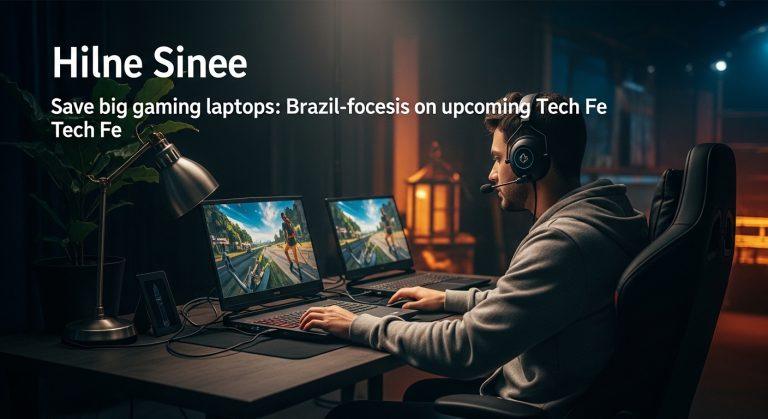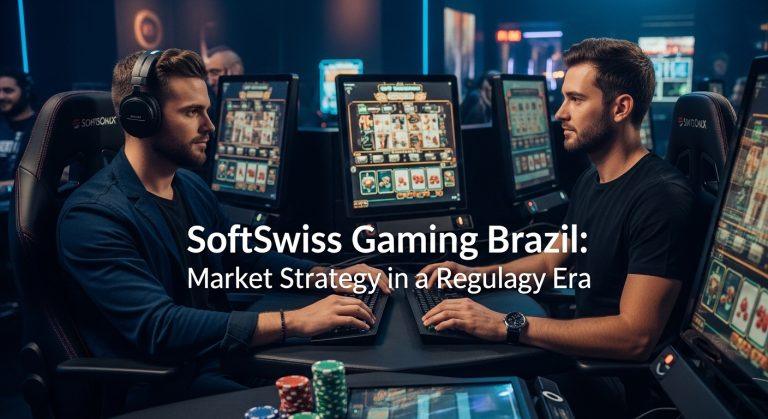
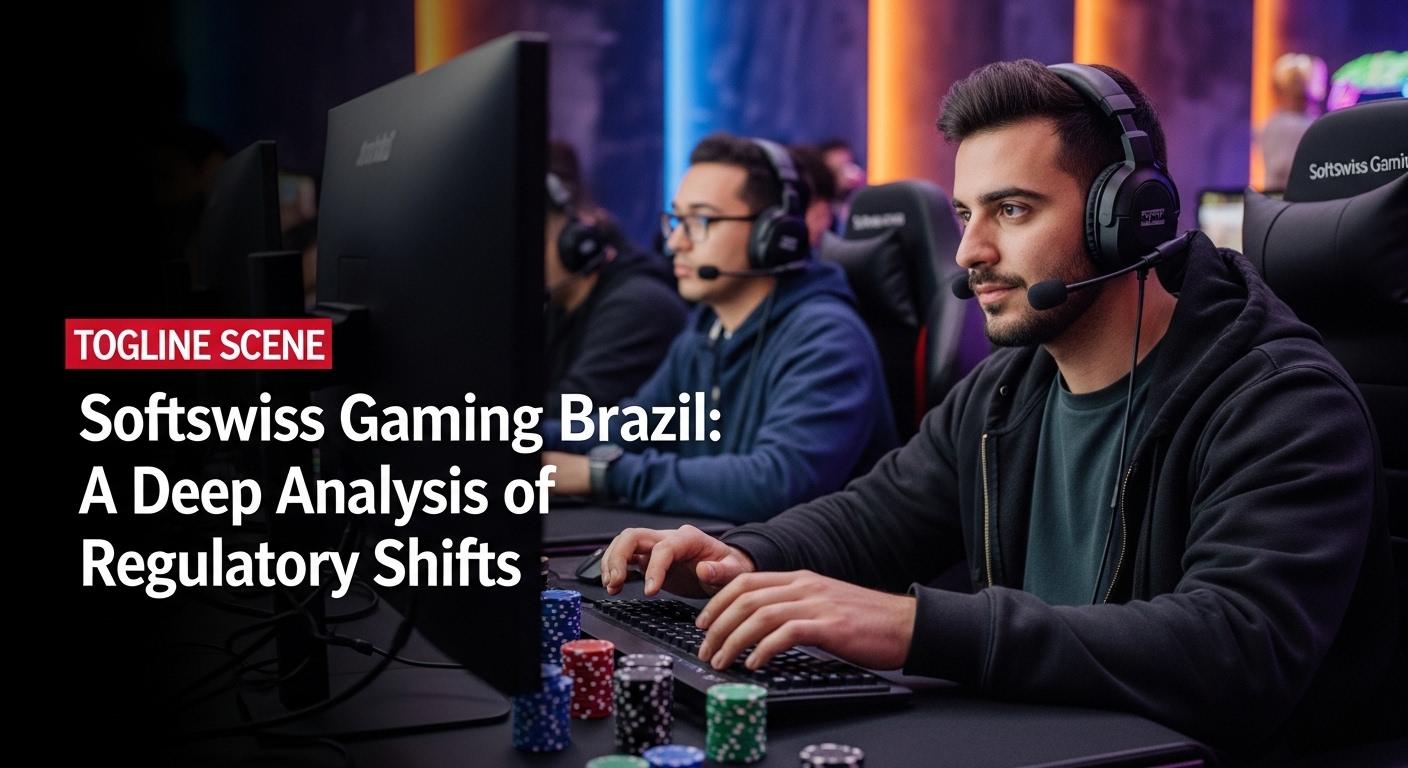
SoftSwiss branding with Brazil regulatory context in a newsroom setting
Updated: April 15, 2026
This report opens with the premise that matchday Gaming Brazil is more than a schedule—it’s a lens on how Brazilian players, teams, and platforms coordinate attention, money, and culture around peak moments.
Macro drivers behind matchday Gaming Brazil
Brazil’s gaming ecosystem has matured as mobile networks expand and affordable devices proliferate. The mobile-first reality means that the vast majority of gaming sessions start on a smartphone screen, often during short breaks between daily tasks. This dynamic pushes developers and publishers toward bite-sized experiences, quick onboarding, and in-game monetization that respects data costs and bandwidth constraints. Equally important is the rise of streaming platforms; Brazilian creators leverage local language and cultural touchpoints to build loyal audiences around live play, guides, and reaction content. Together, these factors transform a traditional matchday into a multi-platform event where fans can switch between competitive play, analyst commentary, and social chatter in real time.
Localization matters as much as hardware. Titles that ship Portuguese language options, region-specific pricing, and payment methods that Brazilians trust tend to see higher retention. At the policy level, digital payment rails and tax frameworks influence how sustainable revenue models can be for smaller studios and independent teams. When infrastructure and language align, the matchday becomes a recurring calendar anchor, not a one-off spectacle.
Player and platform dynamics
Brazilian players often blend casual play with competitive ambitions, creating an ecosystem where content creators and competitive teams feed off each other. Co-streaming, collaborative challenges, and community-led tournaments help scale reach without prohibitive production costs. On platforms, competition is fierce among Twitch, YouTube Gaming, and emerging local aggregators; the ability to cross-post clips, repurpose highlights, and monetize fan engagement shapes which channels rise to prominence. For audiences, the appeal lies less in a single title and more in the social experience: live chat, audience polls, and creator-hosted shows convert viewing into participation and loyalty. That social fabric is what keeps a “matchday” meaningful beyond the screen and into everyday conversations on campuses, offices, and local gaming hubs.
Monetization and sponsorships on a Brazilian matchday
Revenue in this space often travels through sponsorships that align with Brazilian cultural moments, sports fandom, and youth-oriented brands. In-game cosmetics, battle passes, and time-limited events tied to real-world events can drive both engagement and revenue, especially when priced with local affordability in mind. Sponsorships work best when brands offer authentic value—co-branded content, exclusive drops, and events that reflect Brazilian humor and vernacular—rather than remote, generic advertising. Localization also extends to payments and fan products; support for local payment rails and regional prize pools helps convert spectators into players and participants into long-term community members.
Moreover, event-driven formats—online tournaments that culminate in a live show streamed from major Brazilian cities—bridge the online/offline divide. Even when fans cannot attend physically, the energy of a matchday event translates into heightened engagement, shorter response times to news, and more vibrant discourse across social channels. When brands and organizers align incentives with player communities, matchday Gaming Brazil becomes self-reinforcing: more content, more streams, more fans, and more opportunities for creators to monetize growth responsibly.
Strategic implications for publishers and teams
Publishers aiming at Brazil should prioritize local-language content at scale, including tutorials, patch notes, and community events that reflect regional tastes. They should also invest in infrastructure that reduces latency and supports reliable live broadcasts, especially during peak match windows. Beyond technology, building relationships with Brazilian teams, clubs, and leagues can unlock cross-pollination opportunities—esports affiliations mirroring traditional sports structures, with joint promotions and player exchanges that increase legitimacy and reach.
For teams and brands, the matchday lens offers a blueprint: anchor campaigns around local holidays, school breaks, and major sporting moments; co-host and co-create with Brazilian creators who already own credibility in the space; and design monetization that respects the local economic landscape. A long-term commitment to community moderation, safety, and accessibility ensures that growth does not outpace trust—an essential balance for sustainable expansion in a market with vibrant fan culture but varied income levels.
Actionable Takeaways
- Localize all core experiences (language, pricing, payment methods) to maximize retention and lifetime value in Brazil.
- Invest in mobile-first design and quick-onboarding; prioritize lightweight assets and offline-friendly features for on-the-go audiences.
- Partner with Brazilian creators and teams to co-produce content, tournaments, and cross-promotions around matchday events.
- Leverage cross-platform streaming and highlight clips to sustain engagement between live events; monetize through culturally relevant formats.
- Ensure robust infrastructure to minimize latency and downtime during peak watch times; plan disaster recovery for streaming-heavy campaigns.
- Adopt community safeguards and inclusive practices to maintain a welcoming environment for diverse Brazilian fans and players.
Source Context
For broader context on how matchday dynamics influence media coverage, see related discussions from sports and gaming coverage referenced below.