
Updated: March 13, 2026
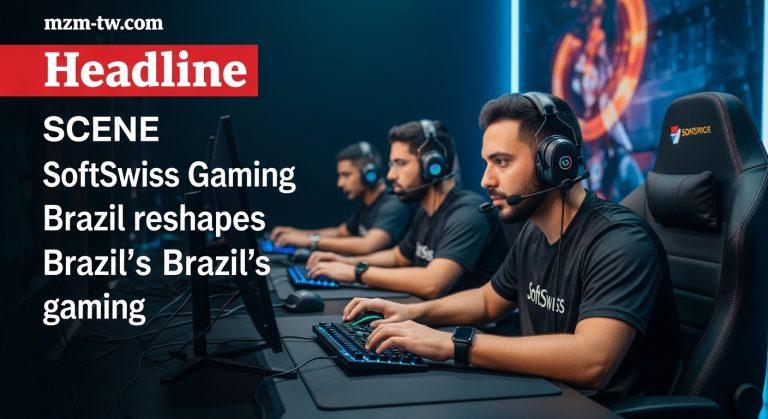
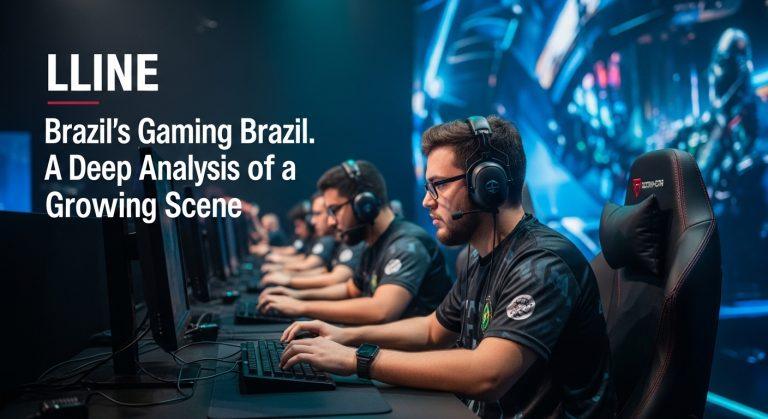
rodrygo Gaming Brazil is reshaping how fans, sponsors, and developers picture Brazil’s esports future, weaving football fame into competitive play and streaming culture. The phenomenon sits at the intersection of sports icons, digital entertainment, and a still-maturing infrastructure that supports teams, tournaments, and grassroots participation.
Context: Football stars and the rise of esports in Brazil
Brazil’s gaming culture is deeply mobile-first, with millions watching streams and short-form clips that translate football fandom into digital engagement. When a high-profile footballer lends their brand to a gaming initiative, it can rapidly tilt attention toward specific titles, studios, or leagues. But beyond simple endorsement, the convergence creates a feedback loop: fans who once watched matches now watch streams, attend local LANs, or follow a club-owned esports outfit as part of a broader sports ecosystem. The phrase “rodrygo Gaming Brazil” captures this moment where a football identity becomes a portal to a different kind of competition, one rooted in reaction times, strategy, and community metrics rather than just goals and assists.
Analysts note that Brazil’s esports market benefits from a youthful demographic with strong digital literacy and high social media penetration. This means sponsorships can translate into tangible activation at the community level—school tournaments, boot camps, and club academies that blend training with content creation. However, the success of celebrity-led initiatives depends on authentic alignment with local scenes, and not every football icon will translate into credible game performance or credible development support for players outside the spotlight.
Industry dynamics: Sponsorships, teams, and the youth market
The sponsorship playbook in Brazil increasingly favors partnerships that combine reach with local utility. Brands want access to the millions of fans who watch football and gaming content, but they also want measurable outcomes—viewership retention, long-tail engagement, and community loyalty. In this context, rodrygo Gaming Brazil could become a platform for cross-pollination: a club might co-create content with a star’s personal brand, while a tournament operator designs fan experiences that sit at the intersection of sport and game strategy.
There is also a growing ecosystem of teams investing in youth academies, coaching, and analytics that resemble traditional football structures. The presence of a recognizable football figure can accelerate partnerships with broadcasters, streaming platforms, and hardware sponsors, but this requires disciplined governance. Without transparent criteria for talent development and fair access to opportunities, the market risks becoming a series of celebrity-centered campaigns with limited long-term impact on player pathways.
Strategic scenarios: What rodrygo Gaming Brazil could signal
Five forward-looking scenarios illustrate potential trajectories if the rodrygo Gaming Brazil concept expands from marketing into organizational capability:
- Ambassadorship leading to sustained engagement: A football star becomes a year-round ambassador who appears at tournaments, funds youth programs, and collaborates on skill-based content, while a local studio handles game development and production.
- Brand-to-brand collaboration across clubs and leagues: Clubs align with gaming brands to co-host events, cross-promote streams, and recruit players through football-connected pipelines that emphasize discipline, teamwork, and data-driven practice.
- Grassroots empowerment via academies: The initiative funds regional academies that teach game sense, strategy, and content creation, providing a clear path from amateur players to semi-professional teams and media roles.
- Platform-led ecosystem growth: A platform partners with Brazilian distributors to tailor monetization models for mobile-first audiences, with the star’s brand lending credibility to legitimate in-app competitions rather than unregulated markets.
- Celebrity risk management: The effort establishes guardrails to prevent overexposure or misalignment, ensuring authenticity and protecting younger fans from marketing fatigue or harmful content.
Each scenario carries distinct risks and benefits. For example, ambassadorship can accelerate visibility but may falter if the star’s sports schedule or public image shifts. Grassroots programs employ a durable development logic but demand long-term funding and staff capacity. The common thread is that success hinges on credible governance, clear talent pathways, and a robust feedback loop between fans, players, and organizers.
Actionable Takeaways
- Brands should prioritize authentic local engagement, pairing football star branding with tangible community initiatives, not just marketing fluff.
- Esports operators must invest in talent development pipelines that include coaching, analytics, and content production, ensuring that pathways exist beyond star power.
- Clubs and studios should co-create content and events that reflect Brazilian gaming tastes, languages, and regional diversity, avoiding one-size-fits-all campaigns.
- Regulators and policymakers should encourage responsible sponsorships, clear age protections, and transparent advertising standards to protect younger audiences.
- Media outlets should treat esports as a legitimate sport, with rigorous coverage of competition results, training, and infrastructure, not only financial deals or celebrity appearances.
Source Context
Background sources and further reading provide broader context for the cross-pollination of football and gaming in Brazil.