
Updated: March 13, 2026
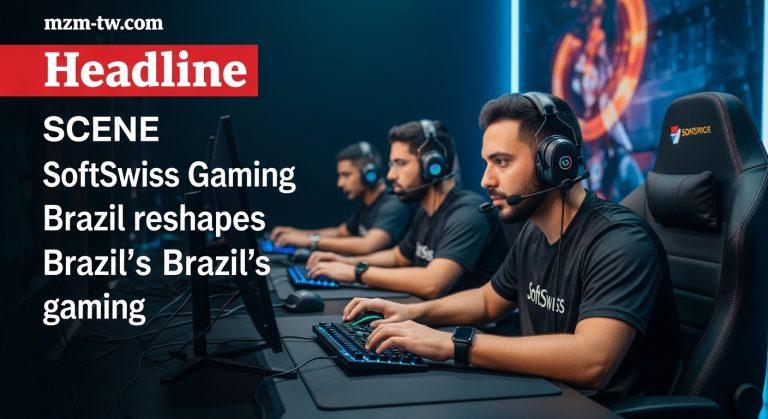
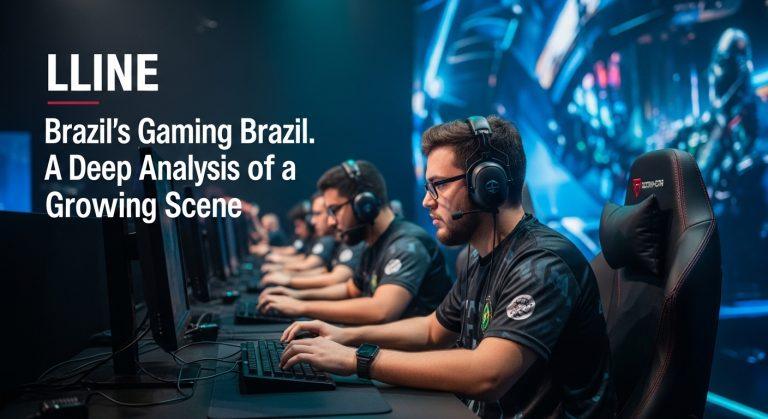
In Brazil, fifa Gaming Brazil sits at a crossroads of culture, technology, and ambition, as fans sculpt their own pathways through virtual football and the competitive scene. What happens online and offline—neighborhood tournaments, streaming studios, and sponsorships—carries implications for how the sport is perceived, consumed, and monetized.
Market dynamics shaping FIFA Gaming Brazil
The Brazilian gaming market has grown into a durable cultural sector, powered by widespread smartphone access, affordable data plans, and a thriving creator economy. FIFA titles—long a staple in local lounges and online leagues—are increasingly embedded in a broader entertainment ecosystem where streamers, coaches, and analysts translate matchups into practical improvement for aspiring players. This convergence pushes brands and broadcasters to rethink how they reach audiences: not just through a game’s competitive ladder, but through ancillary content, education, and entertainment experiences tied to the title. In this context, FIFA is less a standalone product and more a platform for storytelling, analytics, and community identity that resonates across urban centers and small towns alike.
On the business side, sponsorships and partnerships are gravitating toward teams and individuals who can demonstrate measurable audience engagement, consistent training routines, and cross-media reach. Local tournaments have evolved from ad hoc gatherings into structured circuits with prize pools, live-streamed finals, and collaboration between hardware vendors, energy drink brands, and telecom sponsors. For Brazil’s FIFA ecosystem to sustain growth, the market must balance performance expectations with accessibility—ensuring new players can enter the ladder without prohibitive costs or exclusive access to premium gear.
Convergence with global esports trends also matters. While global events attract international attention, Brazilian audiences crave content and competition that reflect their own narratives—street-side gaming culture, regional accents, and the social dimension of playing مع friends. The result is a hybrid model where domestic leagues seed talent and storytelling, while international visibility validates performance and expands monetization channels for players and teams alike.
Player development, community ecosystems, and talent pipelines
Brazil’s player development landscape blends informal mentorship with formalized coaching and analytics. Local creators frequently serve as both educators and talent scouts, translating fundamentals—defense timing, passing shapes, set-piece routines—into accessible, reproducible routines. Talent pipelines are increasingly multi-layered: youths learn through casual play and community clubs, advance to school and community college programs that emphasize game sense and discipline, and then transition into private coaching squads or semi-professional teams with structured practice schedules. This stacked approach helps players build resilience, adaptability, and adaptability across meta shifts that redefine what constitutes an effective FIFA player.
Community ecosystems in Brazilian cities also foster social capital in the form of mentorship networks and peer-review culture. Brazilian players often rely on streaming peers to diagnose errors, share practice challenges, and celebrate breakthroughs. This social dimension matters because it reduces the isolation that can accompany high-level competition and provides a feedback loop that accelerates learning. For Brazil, the real value isn’t just raw talent; it’s the ability to sustain a disciplined practice routine, analyze performance data, and translate insights into in-game decisions under pressure. When local communities thrive, they become incubators for future regional and national teams, translating everyday play into professional opportunities over time.
Technology, platforms, and access: narrowing the gap
FIFA titles increasingly sit at the intersection of console, PC, and mobile platforms, with cross-play and cloud-based features broadening who can compete and how quickly players can level up. Brazil’s relatively young and digitally engaged population benefits from platform diversity: mobile devices enable quick entry points, while console and PC ecosystems offer depth for serious practice and analysis. Latency, matchmaking quality, and access to reliable internet remain critical constraints in less urban areas, but ongoing improvements in network infrastructure are narrowing these gaps. The most successful Brazilian players adapt across platforms, using mobile sessions to warm up, then transitioning to higher-fidelity setups for tournaments or training camps. In this environment, platform-agnostic training and flexible practice regimens become competitive advantages, enabling talent to develop regardless of their starting hardware.
Beyond hardware, data analytics and coaching tools are becoming more accessible. Players who can interpret possession heatmaps, passing networks, and defensive pressure indicators can make smarter choices in real time. As streaming and content creation become viable career avenues, players not only learn the game but also package knowledge for audiences, reinforcing a virtuous cycle of performance and visibility. The challenge is to ensure that this tech-enabled edge does not become a barrier for newcomers; the strongest ecosystems reward curiosity and consistency as much as raw reflexes.
Economic considerations and monetization in FIFA esports
Monetization in FIFA esports today rests on a triad of performance incentives, audience revenue, and brand partnerships. Performance incentives include tournament prize pools and salary structures from teams or organizations that value steady results. Audience revenue flows from streaming views, subscriber growth, and tips, which in turn incentivize content strategies that marry entertainment with education. Brand partnerships are increasingly sophisticated, with sponsors seeking measurable engagement through sponsorships, content collaborations, and grassroots outreach that enhances community loyalty. For Brazil, the opportunity lies in localizing monetization: building content that speaks the language of Brazilian fans, offering training and coaching services in Portuguese, and developing accessible pathways for aspiring professionals to monetize their skills beyond winnings alone.
Economic risk exists as well. Earnings in FIFA esports can be volatile, tied to roster stability, meta shifts, and the health of sponsorship markets. Teams and players that diversify revenue—through coaching, boot camps, branded content, and affiliate programs—are better positioned to weather downturns. A mature ecosystem also requires governance and transparency around contracts, prize sharing, and sponsorship obligations to maintain trust among players, fans, and partners. In short, Brazil’s FIFA esports economy is most robust when talent development is paired with sustainable business models and community-centered storytelling that expands the audience base beyond die-hard fans.
Actionable Takeaways
- Invest in local, structured training hubs that combine practice, analysis, and mentorship to create a stable pathway from casual players to competitive teams.
- Develop cross-platform content strategies that engage audiences on mobile and desktop, ensuring accessibility without compromising depth.
- Enhance community programs with transparent coaching, measurable practice goals, and regular feedback to sustain player growth.
- Diversify revenue streams through coaching services, branded content, and regional tournaments to reduce reliance on prize pools alone.
- Prioritize localization—Portuguese-language content, culturally relevant narratives, and partnerships with Brazilian brands to deepen resonance with local fans.