
Updated: March 13, 2026
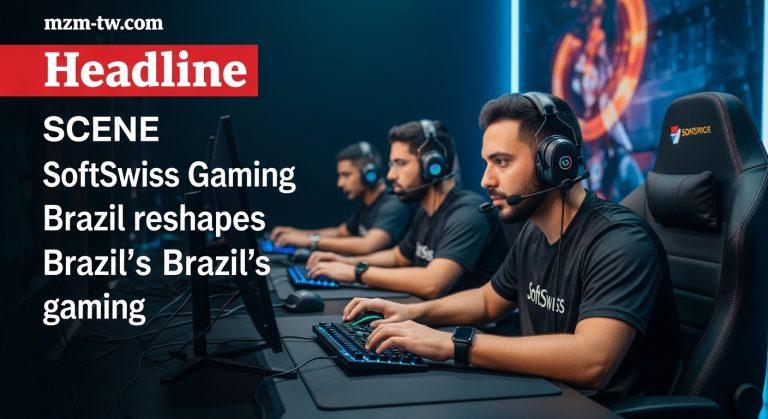
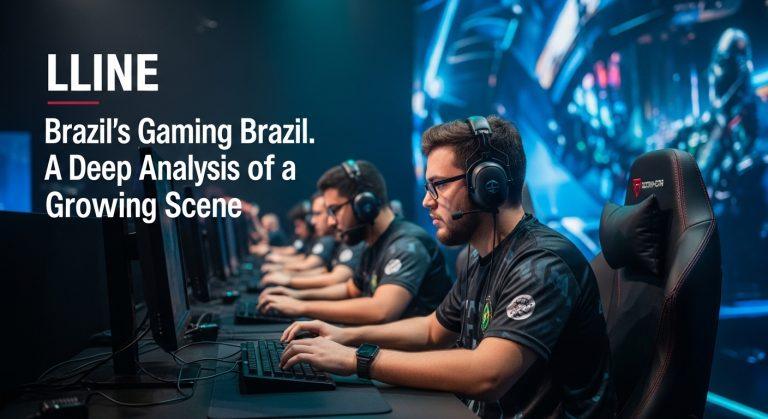
The story of the team Gaming Brazil is a case study in how Brazil’s growing gaming culture is turning talent into regional influence, sponsorship into sustainability, and local raw potential into international relevance. This analysis treats the rise as a pipeline problem solved through collaboration among players, coaches, academies, and brands rather than a single breakthrough moment. It argues that the momentum around team Gaming Brazil reflects broader structural shifts in Brazilian esports, where accessible entry points, streaming ecosystems, and tactical partnerships are aligning to create durable paths to global competition.
Context and Growth Drivers
Over the past half-decade, Brazil has increasingly moved from a consuming market to a producer of competitive gaming talent. The convergence of affordable high-speed internet, growing smartphone penetration, and a vibrant creator culture has lowered entry barriers for aspiring players and content creators. This has attracted sponsors and media rights attention that used to cluster around a few regional events. In this environment, teams such as Gaming Brazil become focal points for training, branding, and community engagement rather than mere rosters of players. The result is a more visible, more professionalized ecosystem where performance on screen is tied to audience engagement off it, creating a feedback loop that strengthens both talent pipelines and financial viability.
Competitive Dynamics and Market Structure
Brazil remains a competitive frontier in global esports, characterized by a deep pool of emerging players, diverse game titles, and a rapidly expanding streaming audience. The competitive landscape is shaped by blended models of talent development, including local academies, university programs, and independent coaching networks. At the same time, teams must navigate logistical costs, time-zone challenges for cross-regional scrimmages, and the premium placed on domestic sponsorships that can fund training facilities, analysts, and travel budgets. These dynamics create a unique equation: high demand for consistent competition, but comparatively constrained sponsorship density relative to larger markets. The team Gaming Brazil, as a case, demonstrates how creative partnerships—between brands, event organizers, and regional media—can offset gaps in pure funding while sustaining progress through cycles of play, review, and iteration.
Strategic Outlook for Team Gaming Brazil
Looking ahead, the real value for team Gaming Brazil lies in building durable capabilities that translate into sustained results. This means investing in three tiers: talent development pipelines that identify and nurture players early; a performance backbone built on analytics, coaching staff, and data-informed practice regimes; and revenue strategies that diversify funding through sponsorship, content, and regional events. The strategic shift involves less reliance on a handful of luck-driven breakthroughs and more emphasis on repeatable routines—regular scrims against a spectrum of international teams, structured educator-led bootcamps, and a formal pathway from grassroots teams to the main roster. A deeper alignment with streaming partners and regional tournaments can also widen visibility, attract sponsors, and create a more stable income base for players who commit to a long arc rather than a single season’s payoff.
Actionable Takeaways
- Invest in youth academies and school-level leagues to create a sustainable funnel of talent into professional teams like Gaming Brazil.
- Formalize cross-border scrim calendars and regional tournaments to normalize high-level competition and improve team readiness outside of major events.
- Forge multi-channel sponsorship packages that combine hardware, data analytics, and content creation to diversify revenue streams for players and teams.
- Prioritize analytics and coaching staff to turn raw talent into repeatable performance, with clear metrics for progression and accountability.
- Leverage streaming and creator partnerships to build fan loyalty, increase sponsorship appeal, and stabilize income through ecosystem-wide engagement.
Source Context
From an editorial perspective, separate confirmed facts from early speculation and revisit assumptions as new verified information appears.
Track official statements, compare independent outlets, and focus on what is confirmed versus what remains under investigation.
For practical decisions, evaluate near-term risk, likely scenarios, and timing before reacting to fast-moving headlines.
Use source quality checks: publication reputation, named attribution, publication time, and consistency across multiple reports.