
Updated: March 14, 2026
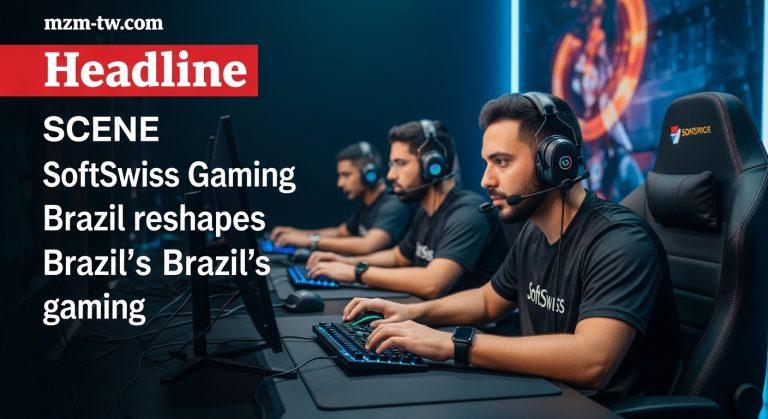
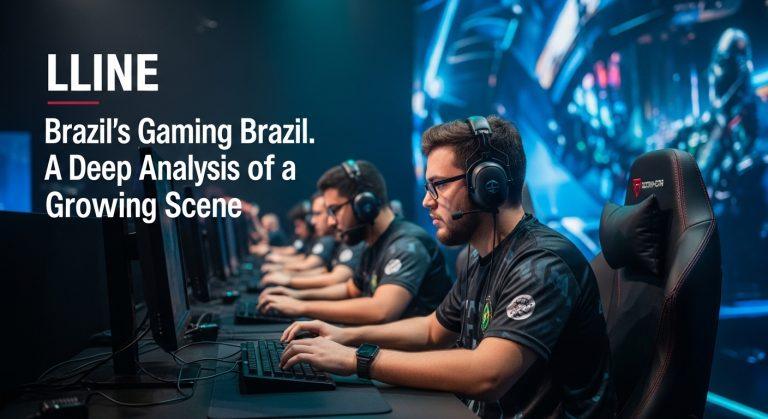
The Brazilian gaming scene has evolved from casual streaming circles into a structured ecosystem that blends talent development, sponsorship leverage, and fan-driven momentum. In this climate, the existence and trajectory of team Gaming Brazil has become more than a race for tournament trophies; it stands as a barometer for the country’s capacity to translate local passion into global competitiveness. Brazilian teams have built a recognizable brand voice, a robust streaming culture, and a pipeline of players who can graduate from regional tournaments into international circuits. The question now is not merely whether they can win a single event, but whether the organizational practices around team Gaming Brazil can sustain growth across titles, regions, and sponsorship cycles in a volatile, prize-poor landscape that rewards resilience as much as raw skill.
Context and Stakes for team Gaming Brazil
Across major esports titles—whether strategic, shooter, or fighting games—the Brazilian market presents both opportunity and constraint. The audience is large and highly engaged, with fans who follow players like star streamers, analysts, and coaches as closely as they follow the games themselves. This creates a unique pressure: teams must perform on the world stage while also cultivating local fanbases that reward consistent visibility and accessible storytelling. For team Gaming Brazil, the current moment is defined by a blend of rising expectations and the need for sustainable practice structures. The stakes go beyond wins in online brackets; they include demonstrated consistency in practice routines, the ability to recruit and retain local talent, and the capacity to convert online viewership into meaningful sponsorships that fund bootcamps, analytics, and player welfare. The dynamic is reinforced by a growing number of LATAM tournaments designed to bridge regional talent to global events, offering both a proving ground and a potential shortcut to larger prize pools for those who can navigate it effectively.
Economic Realities and Sponsorship Dynamics
Esports economics in Brazil benefits from a large, digitally literate audience and an expanding roster of local and international brands seeking engagement with young, tech-savvy fans. However, the money trail remains fragile. Prize pools, sponsorship commitments, and revenue-sharing arrangements are not yet as predictable as those in more established markets. For team Gaming Brazil, the path to financial sustainability typically weaves together regional sponsorships, performance-derived bonuses, and content-driven revenue from streaming platforms. The emphasis on streaming has multiplied opportunities for ad partnerships, merchandise, and paid promotions, but it also places a premium on content quality and audience retention. A practical implication is that teams must invest not only in training facilities and coaching but also in data-driven content creation, social media strategy, and community management. The regional sponsorship ecosystem increasingly favors teams that can demonstrate measurable audience growth and stable, repeatable results across multiple titles, which in turn invites a feedback loop: stronger sponsorship enables better coaching and analytics, which improves on-field performance and audience appeal, which then attracts more sponsors. This cycle, if managed well, can create a durable competitive advantage for Brazil’s homegrown programs, including team Gaming Brazil.
Performance Metrics, Coaching, and Practice Culture
In traditional sports, elite performance hinges on structured training regimens and rigorous analytics. In esports, the analogy holds, but the implementation is different and often more resource-intensive in the long term. For team Gaming Brazil, adopting a holistic practice culture means balancing technical drills with mental acuity work, recovery protocols, and strategic reviews that translate data into action. Teams are increasingly integrating game-specific analytics dashboards, shot-calling simulations, and end-of-day debriefs that capture qualitative lessons alongside quantitative metrics. A practical challenge is talent retention: Brazil’s players are in high demand, and the costs of keeping top performers in a single organization can be substantial. This reality pushes teams to develop internal pipelines—youth academies, scouting networks in schools, and partnerships with regional leagues—that can sustain a steady inflow of players who understand the team’s playbook and culture. For team Gaming Brazil, success will hinge on translating these internal processes into on-game gains—clear rotations, better map control, and more consistent closing routines in clutch moments—while maintaining a humane pace that preserves long-term player welfare and prevents burnout.
Regional Perspectives and Future Scenarios
The LATAM esports landscape is increasingly interconnected. Rivalries with neighboring regional teams sharpen as competition grows, while cross-border collaborations offer paths to share knowledge, facilities, and staff. Brazil’s population base, language commonalities with parts of Latin America, and an expanding network of training spaces all create an environment where team Gaming Brazil can serve as a focal point for collective skill development. Looking ahead, several scenario threads matter: whether the team can diversify title exposure to reduce risk; whether sponsorships evolve from event-driven deals to longer-term partnerships; and whether government or municipal initiatives begin to recognize esports as a legitimate athletic discipline deserving of infrastructure investment. If these threads pull together, Brazil can shift from producing sporadic high performers to nurturing consistent, multi-title contenders. In this frame, team Gaming Brazil is less a single-sentence result and more a barometer for national investment in esports equity, talent pipelines, and regional leadership on the world stage.
Actionable Takeaways
- Prioritize a multi-title development plan to diversify risk and maximize regional exposure.
- Invest in a data-driven coaching core: analytics, reviewing practices, and adaptable strategies across maps and modes.
- Formalize partnerships with streaming platforms, local sponsors, and educational institutions to build a sustainable talent pipeline.
- Establish player welfare programs, including mental health support and regulated practice hours, to sustain long-term performance.
- Develop cross-border LATAM collaborations that share resources, coaching expertise, and fan outreach efforts.
Source Context
For readers seeking broader context on regional sports and global competition dynamics, the following sources provide industry-grade analysis and expert commentary. Esports coverage and industry analysis can illuminate how teams like team Gaming Brazil navigate sponsorship markets, fan engagement, and multi-title strategies.
- Esports Observer — Comprehensive industry analytics and market trends for global and regional esports ecosystems.
- Dexerto — News and in-depth features on teams, players, and sponsorships in the esports world.
- Esports Insider — Business-focused reporting on sponsorship deals, teams, and market strategies in esports.
- Polygon Esports — Narrative-driven coverage of regional scenes and cross-border collaborations in gaming culture.