Updated: March 13, 2026
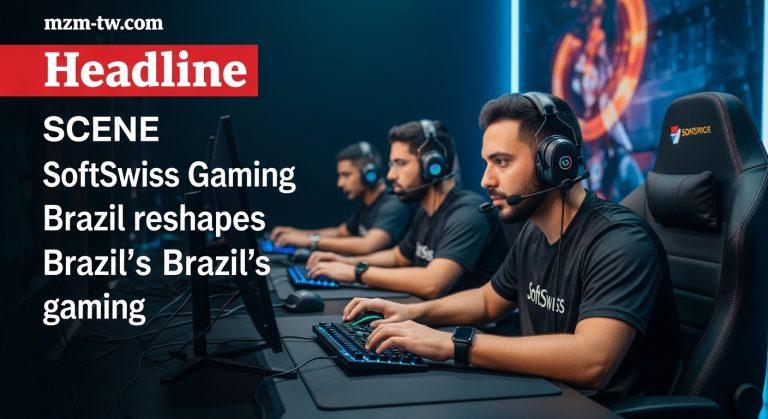
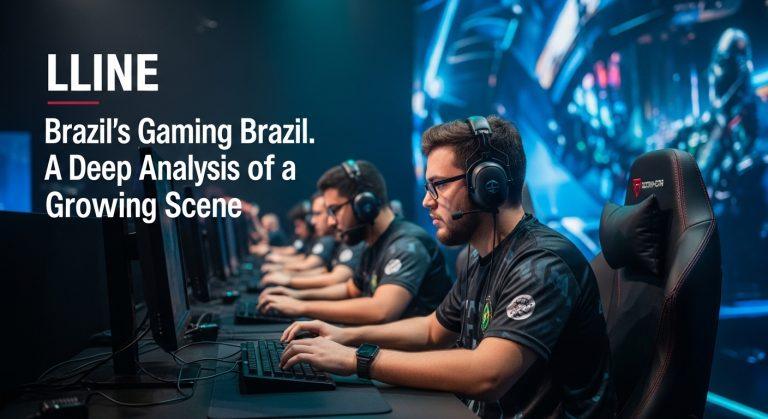
In Brazil’s vibrant gaming landscape, marcus Gaming Brazil stands at a crossroads of content creation, community engagement, and business partnerships. The brand’s trajectory offers a lens on how Brazilian players, streamers, and sponsors are recalibrating value in a market that prizes local relevance as much as global reach.
Market Context and Brand Positioning
Brazil remains Latin America’s largest gaming market, a mobile-first environment where millions of players consume streams, clips, and long-form content in Portuguese. This context creates a fertile ground for a brand like marcus Gaming Brazil to anchor itself not just as a streamer or team, but as a local hub for learning, competition, and community rituals—from watch parties in gaming cafes to joint productions with fledgling creators. Such positioning hinges on two decisions: (1) speak directly to Brazilian audiences with authentic, culturally resonant content, and (2) curate a scalable content engine that can surface emerging talent while maintaining a consistent value proposition for sponsors.
Brand positioning in this market benefits from a clear local-first stance. A successful marcus Gaming Brazil strategy emphasizes bilingual or multilingual outreach where appropriate, leverages regional tournaments, and builds partnerships with LAN centers and indie studios that are often overlooked by global brands. Beyond content volume, the differentiator becomes the quality of community interactions—live chats, fan-driven challenges, and mentorship programs for aspiring players—creating a durable network effect that compounds audience loyalty and sponsor interest.
Monetization Paths and Growth Scenarios
Monetization in Brazil’s gaming ecosystem typically spans sponsorships, streaming revenue, live events, and merch. For marcus Gaming Brazil, the opportunity lies in combining local cultural relevance with efficient monetization pipelines. Sponsorships can extend beyond hardware and drinks into regional tech firms, fintechs offering gamer wallets, and interactive media brands seeking Portuguese-language traction. Streaming revenue grows with consistent schedules, tiered memberships, and exclusive drops that reward fans without eroding discretionary spend. Local events—online and offline—offer ticketing, vendor partnerships, and branded experiences that deepen community ties and raise the brand’s profile for regional partners.
Growth scenarios hinge on three levers: content cadence, community governance, and cross-border distribution. In a favorable scenario, marcus Gaming Brazil expands into a small, vertically integrated network: a stable content calendar, an academy or scouting program for up-and-coming players, and periodic sponsored tournaments with prize pools that attract regional brands. A mid-range scenario might focus on steady audience growth through collaboration with local creators and occasional regional events, achieving incremental sponsorships and modest merch revenue. A conservative scenario faces headwinds from platform policy shifts, rising content saturation, or stronger competition from larger, well-funded teams; revenue growth would then rely on efficiency—tight production costs, smart sponsorship packaging, and incremental licensing deals for content libraries.
Risks and Competitive Landscape
Brazil’s gaming space is increasingly crowded with content creators, teams, and platforms chasing similar audiences. A core risk for marcus Gaming Brazil is dependency on a single platform or a handful of sponsors; any policy change or algorithm shift could ripple quickly through revenue streams. Additionally, currency fluctuations, tax considerations, and regional compliance requirements complicate cross-border deals and payroll for Argentine, Portuguese, or other LATAM collaborators. Talent retention is another risk vector: as opportunities scale within bigger organizations, marquee Brazilian creators may move away from smaller brands if they perceive a clearer path to higher salaries, greater visibility, or more robust infrastructure.
Competition also comes from international franchises that localize content for Portuguese-speaking audiences. The differentiator for marcus Gaming Brazil will be authenticity—an unflinching focus on Brazilian gamer culture, locally relevant partnerships, and the cultivation of talent pipelines that feed both content and competitive play. Platform diversification can mitigate risk, but it requires disciplined content adaptation and a robust moderation framework to sustain a positive, inclusive community that sponsors find attractive.
Actionable Takeaways
- Define a clear value proposition rooted in Brazilian gamer culture: language-first content, locally relevant partnerships, and accessible entry points for new fans.
- Invest in a predictable content cadence paired with data-informed experimentation to optimize engagement and sponsorship value.
- Build long-term sponsor packages that include tiered activations, regional tournaments, and creator development programs to foster loyalty.
- Develop a creator academy or mentorship track to cultivate local talent, creating a sustainable pipeline of streamers and competitors.
- Localize events with offline components (LANs, street tournaments, cafe partnerships) to strengthen community ties and brand presence.
- Explore diversified revenue streams: merch, licensing of content, and regional content distribution to broaden monetization beyond ad revenue.
- Maintain platform agility by diversifying across streaming, short-form, and long-form formats, while safeguarding brand voice and community standards.