
Updated: March 13, 2026
Across Brazil’s digital landscape, marcus Gaming Brazil has become more than a branding slogan; it signals a coordinated push to cultivate local talent, invest in homegrown studios, and expand distribution networks for games and content. This analysis looks beyond headlines to unpack how that initiative reshapes market dynamics, stakeholder incentives, and everyday player behavior. By examining signals from publishers, platforms, and community ecosystems, we can forecast how the Brazilian gaming market will evolve in the next 24 to 36 months, and what that means for players, developers, and sponsors across the country. The lens here is practical, not celebratory, mapping cause and effect rather than chasing hype. In practice, the question is not whether Brazil can sustain growth but how investors and creators can participate responsibly, given Brazil’s unique mix of demographics, infrastructure challenges, and regulatory signals. The marcus Gaming Brazil brand thus serves as a useful proxy for a broader trend: a mobile-first, creator-driven, and partnership-oriented approach that could recalibrate both consumer behavior and corporate strategy in South America’s biggest gaming market.
Market Dynamics: Brazil as a Gaming Hub
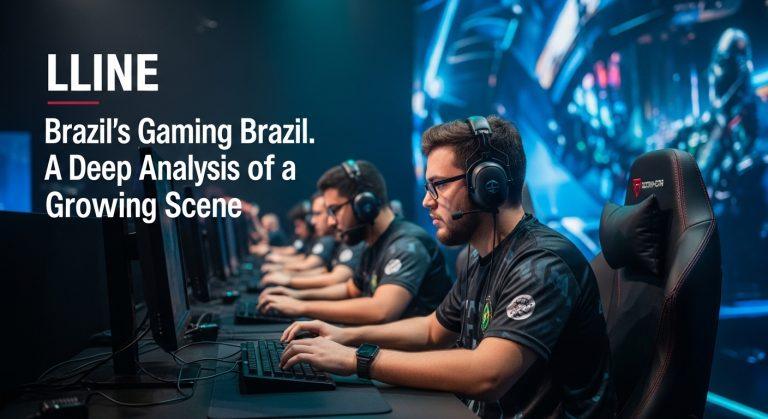
Brazil remains the most important gaming market in Latin America, with a large base of young adults who grew up with smartphones and streaming. The mobile-first reality shapes every decision: new titles are designed for five-inch screens, payment methods emphasize local wallets and installments, and content is optimized for streaming and short-form clips. marcus Gaming Brazil enters as a brand that seeks to align publishers, platforms, and creators around common goals—lower friction for access, higher engagement, and more predictable revenue streams. In practice, this means publishers localizing IP, studios hiring Brazilian talent, and platforms offering localized monetization and marketing tools. The local ecosystem is more than players; it’s a network of influencers, coaches, and educators who help newcomers learn to game, spectate, and monetize. Yet this growth is uneven: urban centers show strong connectivity and sponsorship interest, while rural and underserved communities still face bandwidth and payment barriers. The result is a bifurcated market where success depends on bridging the gap between aspirational content and accessible delivery. The marcus Gaming Brazil initiative is positioned to leverage this by emphasizing local partnerships and ecosystem-building rather than exporting a single product abroad.
Strategic Implications for Developers and Sponsors
For developers, the Brazilian market rewards products that integrate entertainment, social interactivity, and flexible monetization. Localization goes beyond translation; it means adapting pacing, humor, and social features to Brazilian norms, and it requires testing across devices with varied performance. For sponsors, the opportunity lies in long-horizon engagements that build creator ecosystems and community loyalty, not one-off placements. This translates into joint development funds, co-branded events, and creator-incentive programs that reward consistent content production and audience growth. The marcus Gaming Brazil framework suggests aligning with local studios and influencer networks to create a pipeline from launch to sustained engagement, reducing churn and increasing lifetime value. Realistic planning also means accounting for payment fragmentation, tax considerations for digital goods, and the cost of data consumption, all of which influence price points and user willingness to pay for premium experiences.
Case Studies: Content Creators and Teams
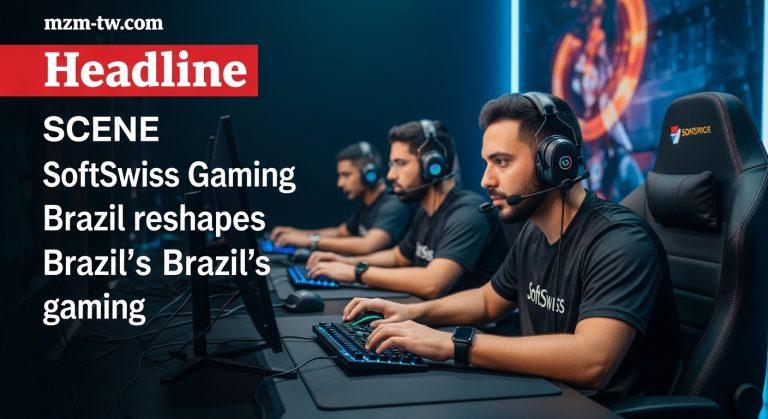
Brazil hosts a vibrant creator economy where streamers, editors, and educators collaborate to convert casual viewers into engaged fans and paying users. Consider a hypothetical partnership between a local studio and a telecom provider that bundles a game with data access, easing entry for first-time players and creating a predictable revenue share for both sides. Teams that embrace this model often recruit local talent—gamers who understand regional slang, music, and social media rhythms—while prioritizing community events, tournaments, and weekly showcases that generate shareable moments. These patterns help monetize content beyond ads, through sponsored tournaments, merch, and data-backed sponsorships that measure engagement, retention, and conversion. The Brazil-specific advantage lies in the speed with which communities form around mobile titles and streaming, creating a feedback loop where content quality improves as audience demand climbs.
Policy and Infrastructure Outlook
Policy and infrastructure will play a decisive role in shaping outcomes. If broadband expansion continues and data costs decline, participation becomes affordable for a broader slice of the population, expanding the potential audience for Marcus Gaming Brazil initiatives. Clear rules around digital payments and consumer protection can foster trust and experimentation, allowing studios to push more ambitious live-service models without fear of sudden policy shifts. Meanwhile, partnerships with financial technology providers can unlock microtransactions and installment-based purchases that fit Brazilian income patterns. Taken together, these trends could accelerate creator-led growth and help sustain a longer-tail of titles that appeal to diverse communities across the country.
Actionable Takeaways
- Prioritize localization that respects Brazilian culture, humor, and social dynamics, not just language translation.
- Invest in local studios, producers, and educational programs to build a pipeline of skilled developers and creators.
- Develop partnerships with mobile operators and fintechs to streamline payments and data-friendly bundles for gamers.
- Support creator ecosystems with long-term sponsorships, tournaments, and content-production incentives tied to measurable engagement.
- Plan for infrastructure gaps by offering lightweight experiences and offline-capable modes where possible.
- Monitor regulatory developments and adapt monetization strategies to evolving rules for digital goods and consumer protections.
Source Context
Additional background and industry context can be found in industry reporting on leadership shifts in AGS Brazil and related market coverage.