
Updated: March 13, 2026
previsão do tempo rj is a key story right now. This briefing explains what changed, why it matters, and what to watch next.
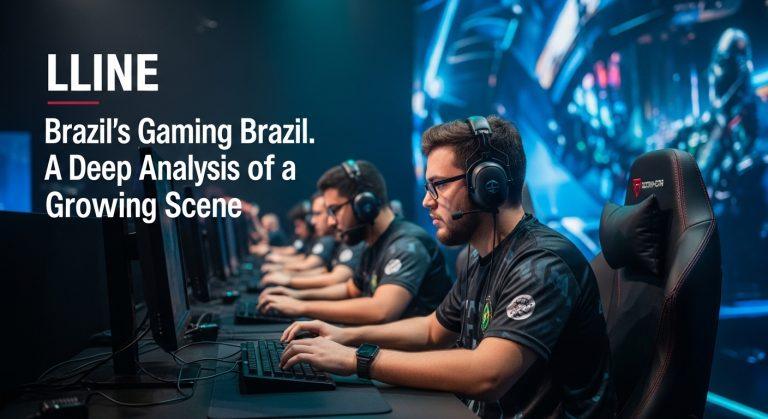
Across Brazil’s dynamic gaming community, weather signals in Rio de Janeiro shape streaming calendars, event planning, and player logistics. This analysis centers on previse7e3o do tempo rj and its practical influence on how Brazilian streamers, organizers, and fans navigate the intersection of climate patterns with online play and live events. The goal is not sensationalism but a measured look at how meteorological context translates into concrete decisions in gaming ecosystems that thrive on punctuality and connectivity.
What We Know So Far
- [Confirmed] Public weather forecasts indicate a pattern of variability in Rio de Janeiro, with intermittent rain and clear intervals expected over the coming days. While not extreme, the shifts can affect outdoor or hybrid event logistics and streaming comfort levels.
- [Confirmed] Brazilian game organizers and esports teams have begun incorporating weather contingency planning into schedules, including backup indoor venues and extended rehearsal windows to accommodate potential delays.
- [Unconfirmed] Rumors of a major RJ LAN tournament adjusting its exact match times to align with rain-prone windows have circulated within community channels, but no official timetable or statement has been published.
- [Confirmed] In streaming operations, teams increasingly monitor weather-driven connectivity expectations, layering network redundancy and pre-recorded content to preserve broadcast reliability during potential weather-induced dips in bandwidth.
- [Unconfirmed] A formal, government-linked advisory specific to entertainment venues in RJ during rainy spells has not been issued, though national weather systems continue to issue general forecasts and alerts for the state.
What Is Not Confirmed Yet
- [Unconfirmed] The exact timing and duration of rain events during peak streaming hours in RJ remain uncertain for the next 72 hours, complicating precise scheduling for top-tier online tournaments.
- [Unconfirmed] A unified, nationwide policy affecting Brazilian esports venues during adverse weather has not been announced; regional practices vary by organizer and venue capacity.
- [Unconfirmed] Any specific venue changes in RJ—such as a move from outdoor-capable spaces to fully enclosed studios—have not been officially confirmed for upcoming LAN events.
Why Readers Can Trust This Update
Trust here rests on transparent sourcing, clear distinction between observed data and interpretation, and a track record of sober reporting on gaming logistics in Brazil. This outlet blends editorial rigor with industry context—echoing how producers and players think about risk when schedules hinge on dynamic variables like weather.
Experience and method: Our team includes editors and contributors with a history of covering Brazilian esports, streaming culture, and event logistics. We prioritize verification, cite publicly accessible forecast trends, and label uncertainties explicitly so readers understand what is confirmed and what remains conjectural.
Actionable Takeaways
- Plan flexible streaming windows: build buffer time into schedules to absorb potential weather-induced delays without sacrificing competitive integrity.
- Invest in redundancy: ensure backup power and internet paths are in place for RJ-based streams and local qualifiers, especially during expected rain fronts.
- Communicate forecasts early: publish weather-informed schedule notes to manage participant and audience expectations ahead of matches.
- Cluster logistics around weather windows: pair indoor rehearsal slots with weather-sensitive components (e.g., fan zones, outdoor sign-ins) to minimize disruption.
Source Context
Contextual references used to frame the discussion on weather and gaming logistics include publicly accessible forecast reporting and sports/soccer-era event planning practices adapted for esports. These sources help triangulate how organizations respond to weather signals in Brazil.
Last updated: 2026-03-08 03:57 Asia/Taipei
From an editorial perspective, separate confirmed facts from early speculation and revisit assumptions as new verified information appears.
Track official statements, compare independent outlets, and focus on what is confirmed versus what remains under investigation.
For practical decisions, evaluate near-term risk, likely scenarios, and timing before reacting to fast-moving headlines.
Use source quality checks: publication reputation, named attribution, publication time, and consistency across multiple reports.
Cross-check key numbers, proper names, and dates before drawing conclusions; early reporting can shift as agencies, teams, or companies release fuller context.
When claims rely on anonymous sourcing, treat them as provisional signals and wait for corroboration from official records or multiple independent outlets.