
Updated: March 13, 2026
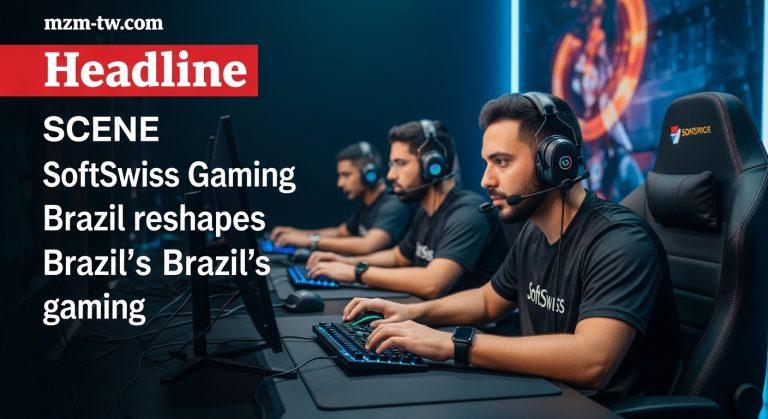
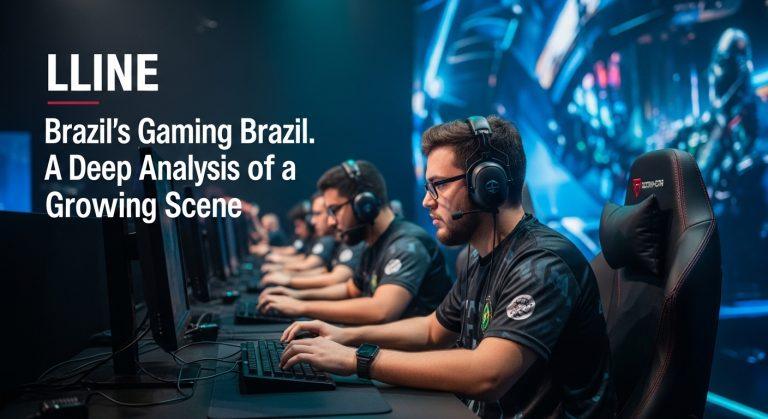
In the evolving landscape of esports, Brazil’s gaming ecosystem is maturing from a vibrant fan culture into a structured professional pipeline. This analysis centers on the team Gaming Brazil as a lens to understand how a single entity can catalyze broader development—pulling together players, coaches, sponsors, and institutions around a shared professional pathway. The question is not only about performance on the map or screen, but about how strategic alignment among talent, infrastructure, and media can translate into sustainable growth for the wider community.
Context: Brazil’s Gaming Boom
Brazil has emerged as a focal point of Latin America’s gaming narrative, propelled by widespread smartphone adoption, robust streaming communities, and a growing cadre of homegrown organizations. The country’s fans routinely consume and share content in a bilingual or Portuguese-first format, reinforcing a market that is highly participatory yet increasingly professional. Local leagues, amateur tournaments, and university-led programs have expanded access to competitive play, creating a diversified talent pool that can feed into higher levels of competition without the bottlenecks seen in earlier eras.
Global publishers and platforms have started calibrating their regional strategies to Brazil’s scale, which in turn influences sponsorship patterns, broadcasting deals, and the availability of training resources. The pattern is less about a single breakthrough moment and more about a sustained acceleration—one where teams like team Gaming Brazil could anchor a brand-centered ecosystem that blends performance rigor with community engagement. In this context, success is measured not only by tournament results but by the health of the ecosystem that underpins those results.
For analysts, the key implication is that a well-run Brazilian team can become a hub for talent development, content production, and fan loyalty that extends beyond a single roster. The consequences ripple into partner interests, regional rivalries, and the cross-pollination of games and genres, making the strategic position of team Gaming Brazil emblematic of a broader transition from hobbyist scenes to professional industries.
Building a Sustainable Ecosystem
A durable esports ecosystem in Brazil must fuse talent development with operational discipline. That means more than recruiting skilled players; it requires creating an integrated support system—coaches, analysts, nutrition and mental training, and structured practice schedules that reflect the demands of modern competition. Universities and private academies can serve as pipelines, offering scholarships or apprenticeship paths that lead to pro rosters, while clubs invest in data-driven coaching to translate in-game metrics into tangible improvements.
Infrastructure also matters. Consistent, high-quality internet access, reliable streaming setups, and access to performance analytics tools are essential to reduce friction between potential talent and professional opportunities. In parallel, content strategies that showcase both the grind and the personality of players help convert casual fans into long-term supporters. A team named Gaming Brazil, for instance, can amplify a bilingual content strategy—Portuguese for local fans and English or Spanish for regional audiences—to maximize reach while preserving cultural authenticity.
Finally, the social and cultural context of Brazilian gaming should guide governance. Transparent contract terms, equitable revenue-sharing with players and staff, and clear pathways for progression prevent talent drain to foreign rosters. In short, the ecosystem thrives when there is alignment among grassroots programs, professional organizations, and commercial partners, with the team Gaming Brazil acting as a central node rather than a solitary star.
Strategic Play for Sponsors and Partners
Sponsors increasingly seek long-term value from esports investments, emphasizing audience depth, regional relevance, and content versatility. A team like Gaming Brazil offers a platform where sponsors can sponsor not only events but also narrative-driven content, developer partnerships, and community initiatives. The ROI model shifts from one-off visibility to durable engagement: multi-channel storytelling, cross-game content, and fan-centric experiences that scale with the team’s growth. For sponsors, the value proposition lies in aligning with Brazilian cultural timbre—music, football-adjacent fandom, and a penchant for communities—while leveraging data-driven insights to tailor campaigns to different segments of the audience.
Content diversification is essential. Live-streamed training sessions, behind-the-scenes prodlogs, and co-produced shows in Portuguese and English can broaden reach and deepen engagement. Partnerships with streaming platforms, hardware vendors, and education initiatives can create a multi-sided ecosystem where revenue comes from sponsorship, merchandising, and performance-derived bonuses rather than a single prize pool. Yet this requires disciplined governance and transparent metrics, including viewership, engagement duration, and merchandise conversion, to maintain confidence among sponsors during market fluctuations.
Geographic and genre diversification also matters. While a focus on a flagship title may anchor the brand, expanding into adjacent games and formats (mobile arena games, strategy titles, or battle arenas) can diversify risk and broaden fan bases. The strategic play, therefore, is not to chase short-term wins but to cultivate a credible, scalable brand that sponsors can co-own with community-driven initiatives and school partnerships. In this framework, the team Gaming Brazil stands as a test case for how a Brazilian organization could translate local passion into a sustainable, globally legible value proposition.
Actionable Takeaways
- Invest in local talent development: establish academies or partnerships with universities to create clear progression paths into pro rosters.
- Develop bilingual content: produce Portuguese and English material to reach domestic fans and regional audiences while supporting exportability of the brand.
- Forge multi-year sponsor agreements: tie brand exposure to community programs, educational initiatives, and content series to build durable relationships.
- Prioritize data-driven coaching: implement analytics workflows for player development, performance optimization, and injury prevention.
- Create a transparent governance model: publish revenue-sharing terms, contract standards, and escalation procedures to attract top talent and partners.
- Enhance grassroots visibility: run open tournaments, streamer collaborations, and school outreach to convert spectators into loyal supporters.
- Balance portfolio risk: diversify across games and formats to avoid over-reliance on a single title or event cycle.
Source Context
- Newzoo Global Esports Market Report — global benchmarking and regional insights for sponsorship strategy.
- Statista: Esports in Brazil overview — market dynamics and audience trends within Brazil.
- Esports Insider — industry coverage and ecosystem developments that influence sponsorship models.
- KPMG: Global esports landscape and governance — governance, contracts, and risk considerations for teams and sponsors.