
Updated: March 13, 2026
As Brazil’s gaming scene matures, a shift in how players engage, monetize, and develop local talent is reshaping what observers call brazil’s Gaming Brazil. The country sits at a moment where mobile titles dominate, streaming culture is fueling new communities, and a growing number of developers seeks to turn local creativity into regional competitiveness. Yet this momentum arrives with questions about infrastructure, payment ecosystems, and the policy environment that could either accelerate or constrain the next wave of growth. The following analysis traces causal links across audiences, markets, and institutions, offering a practical frame for stakeholders weighing bets on Brazil’s gaming future.
Industry Pulse and Player Culture
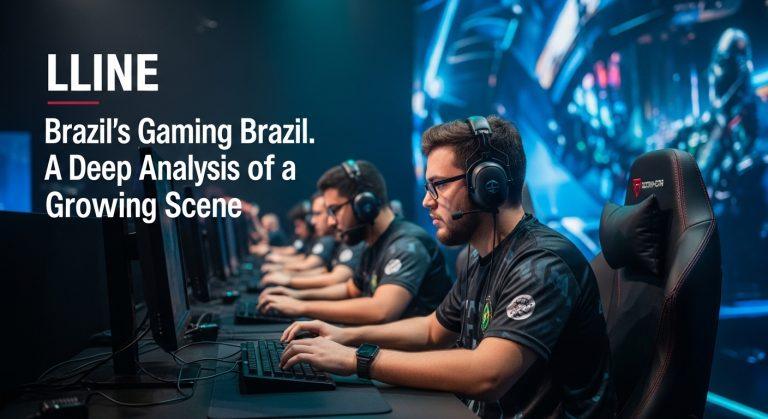
Brazil remains one of the most financially sizable gaming markets in Latin America, driven by a young, mobile-first base. A sizeable share of players access games on smartphones, while esports events and local LAN communities continue to serve as apprenticeship grounds for aspiring professionals. The culture of streaming has become more than entertainment; it functions as a pipeline for visibility, sponsorship, and revenue. In this context, brazil’s Gaming Brazil emerges not only from big franchises but from a tapestry of indie studios, modders, and community-driven initiatives that push the boundaries of what local players expect from a global industry. The data points to a steady rise in in-country publishers partnering with international platforms, signaling a shift from import to co-creation that could widen both scale and resilience for Brazilian creators. The result is a more nuanced ecosystem where success metrics blend viewership, in-game earnings, and the ability to build lasting, talent-rich teams that can compete across borders.
Investment, Sponsors, and Global Ties
Investment patterns are shifting from the single title deal toward multi-year development support and regional hubs. Global publishers increasingly view Brazil not merely as a lucrative audience but as a potential development corridor for Latin America. That shift invites collaboration opportunities for Brazilian studios to co-develop titles that resonate across Portuguese-speaking markets and beyond. Sponsors are likewise recalibrating their strategies to align with local esports ecosystems and community events that deliver tangible returns in engagement and brand affinity. For participants, this means more structured pathways to pros, better training resources, and clearer routes for monetization that extend beyond streaming revenue. Yet the success of this model hinges on ensuring local talent can access the tools, networks, and mentorship necessary to scale, rather than relying on imported templates that may overlook regional nuance.
Policy, Access, and Infrastructure
Access to reliable internet, affordable devices, and inclusive payment systems remains central to Brazil’s gaming trajectory. While urban centers often enjoy robust connectivity, rural and remote areas still face gaps, which in turn shape who can participate in competitive scenes or develop new titles. The evolution of fintech and digital payments—like local instalment options and quick-transfer rails—helps broaden participation by lowering upfront costs for devices and games. Regulatory clarity regarding age ratings, data privacy, and in-game monetization also matters; clear rules reduce risk for publishers and help protect consumers while enabling sustainable business models. In practical terms, the sector benefits when infrastructure improvements are paired with targeted local partnerships, ensuring that growth is both broad-based and durable rather than a series of peaks in select markets.
Future Scenarios for Brazil’s Gaming Brazil
Looking ahead, three plausible trajectories scaffold the conversation about Brazil’s gaming future. In a baseline scenario, improvements in connectivity, localization efforts, and a steady stream of public-private collaborations produce sustained growth, steady job creation in studios and esports organizations, and a gradual expansion of retail and digital distribution. A more optimistic scenario envisions accelerated investment cycles, stronger IP protections for indie developers, and successful export of Brazilian game concepts to broader Latin American audiences, reinforcing a sense of regional leadership. A cautious or slower scenario would reflect persistent infrastructure gaps or policy friction that dampen growth, leading to a more fragmented market where only a subset of studios and communities gains scale. Across these futures, the critical levers remain internet access, affordable devices, education and training pipelines, and a policy environment that encourages experimentation while safeguarding players. The analysis emphasizes that Brazil’s gaming momentum is not just about audience size; it is about translating that audience into durable talent, sustainable studios, and culturally resonant content that can travel across markets.
Actionable Takeaways
- Investors should map broadband expansion plans to identify communities where improved connectivity could unlock new cohorts of players and developers.
- Publishers and local studios should co-create mentorship programs that translate streaming visibility into formal development opportunities and revenue-sharing models.
- Support for indie developers, including grant-like programs and tax incentives, can diversify the portfolio of titles that define brazil’s Gaming Brazil.
- Regulators should articulate clear guidelines on monetization, data privacy, and consumer protection to reduce uncertainty for game makers and players alike.
- Payment ecosystems tailored to Brazilian consumers, featuring local currencies, instalment options, and consumer protections, can widen access to games and in-game purchases.