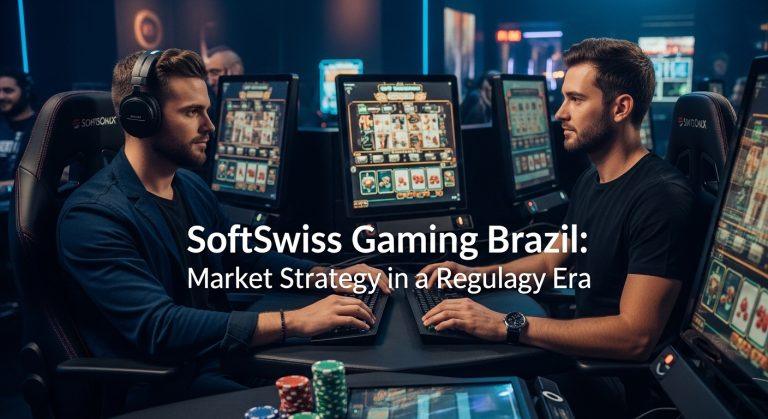

brazil Gaming Brazil stands at a crossroads: a rapidly growing, mobile-first audience, soaring engagement with streaming content, and a policy debate that could redefine what types of games and betting services are allowed. The path Brazil follows will not only determine the kinds of experiences Brazilian players access today but also shape investment decisions for studios, publishers, and platform operators aiming at this lucrative market. For observers, the moment demands a careful reading of how demand, technology, and governance interact to set the pace for a modern gaming economy in Latin America’s largest country.
Market forces and regulatory horizon
Brazil’s gaming ecosystem is expanding beyond traditional console and PC niches into mobile and cloud-based experiences. In this shift, regulatory clarity becomes the gatekeeper for investment. Policy conversations in Brasília address the boundaries between entertainment, wagering, and consumer protection, with potential licensing schemes, tax regimes, and age-verification standards on the table. The outcome will influence where publishers locate operations, how compliance burdens are shared between developers and platforms, and which business models survive the test of law and consumer trust. A stable framework could attract international publishers seeking to localize titles and payment rails, while ambiguity may push firms toward cautious pilots and regional partnerships rather than large-scale launches.
Beyond formal policy, the practical effect of regulatory signaling is visible in market behavior. Operators lean on self-regulation tools, including user-initiated controls and responsible-gaming features, to demonstrate commitment to safe play while still exploring monetization opportunities. The interplay between policy and practice matters deeply for Brazil’s digital entertainment economy: it shapes pricing, distribution, and the viability of features such as in-game purchases, loot-box mechanics, or tournament-integrated betting formats. Observers note that the most successful entrants will align product design with Brazilian consumer expectations—local language, payment rails like instant transfers, and clear, age-appropriate content labeling—while maintaining flexibility to adapt if regulation evolves.
Audience and behavior among Brazilian players
The Brazilian gaming audience is increasingly mobile-centric, with a large portion of playtime driven by smartphones and lightweight titles that scale for quick sessions. This pattern supports the rise of esports and live-streamed content, where Brazilian fans show strong engagement with regional teams, creators, and events that reflect local culture and humor. The growth of digital payments and fintech in Brazil further accelerates monetization channels, enabling smoother microtransactions and subscription models within free-to-play ecosystems. For developers, this means prioritizing Portuguese-language support, localized marketing campaigns, and culturally resonant narratives that translate well across Brazilian cities—from São Paulo and Rio de Janeiro to the thriving gaming communities in smaller urban centers.
Moreover, the audience’s behavior is shaped by social and streaming dynamics. Brazilian viewers are highly active on platforms that blend video, chat, and community interaction, which reinforces the value of influencer-led campaigns and highly visible esports ecosystems. These dynamics create a feedback loop: popular streams drive engagement, which in turn attracts sponsorships and event opportunities. However, they also raise expectations for responsible portrayal of gaming, including transparent sponsorship disclosures and age-appropriate content, preserving trust in a market that blends entertainment, sport, and potential wagering.
Platforms, monetization, and infrastructure
Localization is no longer a nice-to-have tactic; it is the primary pathway to scale in Brazil. Successful platforms tailor content to the Brazilian market, integrate local payment rails such as Pix and local credit solutions, and deliver customer support in Portuguese with culturally aware messaging. Monetization in this environment leans toward flexible models: free-to-play cores supported by microtransactions, season passes tied to esports events, and reward-based campaigns that leverage partnerships with creators and teams. Infrastructure improvements—faster networks, broader 5G coverage, and lower latency—enable more responsive multiplayer experiences and larger live-streamed events, which in turn attract more advertisers and sponsor dollars.
From a business perspective, the most durable platforms will combine strong product localization with transparent data practices and clear pathways for responsible-gaming controls. This triad not only reduces regulatory risk but also builds long-term loyalty among Brazilian players who demand high-quality experiences that feel native to their market. For studios and publishers, the opportunity lies in bridging traditional gaming with evolving forms of social and competitive play, without compromising on safety or accessibility.
Responsible gaming and self-regulation
Responsible gaming is a common thread across mature markets, and Brazil’s emerging landscape is no exception. As products diversify into betting-adjacent genres or tournament formats, operators must implement robust self-regulatory mechanisms: clear disclosure of odds and risks, time-limited play prompts, and accessible self-exclusion tools. The presence of a self-exclusion platform in the broader betting sector signals a recognition that consumer protection and market legitimacy go hand in hand with growth. In practice, this means designing experiences that separate entertainment from high-risk wagering, empowering users with meaningful controls, and communicating these tools in a transparent, non-patronizing manner. For policymakers, the challenge is to craft a framework that preserves consumer choice while imposing guardrails that prevent harm, particularly for younger players who constitute a large portion of the gaming audience in Brazil.
Practical considerations for developers and operators include auditing data practices, establishing clear refund and dispute policies, and aligning marketing with ethical standards. In a market where influencers and live events shape consumer expectations, integrity around sponsorships and disclosures is essential to maintaining trust. When done well, responsible gaming becomes a competitive differentiator, signaling that a brand respects its community and is prepared to navigate regulatory complexity with accountability.
Actionable Takeaways
- Prioritize Portuguese localization and Brazilian payment workflows to reduce friction for first-time players and convert engagement into sustainable monetization.
- Align game design and marketing with clear responsible-gaming practices, including accessible self-exclusion options and age gating.
- Invest in esports and creator partnerships that resonate with Brazilian communities, while maintaining transparent sponsorship disclosures.
- Monitor regulatory developments and establish adaptive compliance teams that can scale with changes in policy, taxation, and licensing requirements.
- Enhance data privacy and user controls to build trust, especially among younger audiences and new entrants to mobile gaming.