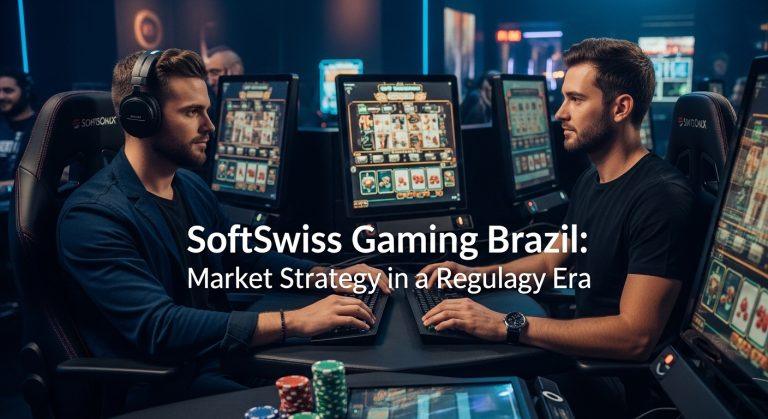

Introduction: The Gaming Revolution in Brazil
The gaming industry in Brazil is experiencing a pivotal moment as regulations evolve to accommodate a burgeoning market. With the potential to become a lucrative sector, both local and international stakeholders are keenly observing the developments underway. As Brazil moves towards modernizing its gaming laws, the implications for players, operators, and the economy are profound.
Understanding the Regulatory Landscape
Historically, Brazil has maintained strict regulations surrounding gaming, largely limiting the sector to state-run lotteries and a few other forms of gambling. However, recent legislative movements signal a shift toward broader acceptance of gaming, including online casinos and sports betting. This transition is largely driven by the need for increased tax revenue and the desire to curb illegal gambling activities.
The Brazilian government is currently drafting legislation that aims to regulate and tax various forms of gaming. This new framework is expected to create a more secure environment for operators and players alike. Nevertheless, the development of effective regulations that protect consumers while fostering industry growth remains a critical challenge.
The Impact of Taxes on Gaming Operators
One of the most pressing concerns for gaming operators eyeing the Brazilian market is the potential tax burden. As the government seeks to capitalize on the gaming industry’s growth, taxation policies could significantly impact profitability. Operators may face high tax rates, which could deter some from entering the market or push existing operators to reconsider their business strategies.
Taxation, if not handled carefully, could stifle innovation and limit the overall economic benefits that a robust gaming sector could bring. Therefore, stakeholders must advocate for a balanced tax framework that encourages investment while ensuring fair contributions to public coffers.
Consumer Protection and Responsible Gaming
As gaming regulation evolves, the focus on consumer protection and responsible gaming practices will also need to be prioritized. The rise of online gaming platforms has made it easier for players to access gambling services, but it has also increased the risk of gambling addiction and financial hardship for some individuals.
Effective regulations must include measures for responsible gaming, such as self-exclusion programs and limits on betting amounts. The government, alongside operators, should invest in public awareness campaigns to educate players about the risks associated with gambling and the importance of playing responsibly.
Digital Transformation and the Future of Gaming in Brazil
The rise of technology is reshaping the gaming landscape globally, and Brazil is no exception. Mobile gaming, in particular, is expected to see exponential growth, as more players prefer to engage in gaming activities through their smartphones. This shift requires operators to adapt their offerings and ensure that their platforms are accessible and user-friendly.
Additionally, the integration of advanced technologies such as blockchain and artificial intelligence could enhance gaming experiences and improve security. These innovations can also provide operators with valuable data insights to better understand consumer behavior and preferences, ultimately driving growth in the sector.
Conclusion: A Promising Yet Cautious Outlook
As Brazil’s gaming industry stands on the brink of transformation, the potential for economic growth and enhanced consumer experiences is significant. However, this potential can only be realized if the government implements thoughtful regulations that encourage investment while safeguarding players. The collaboration between stakeholders, including operators, regulators, and consumer advocacy groups, will be essential in shaping a responsible and thriving gaming market in Brazil.
Actionable Takeaway
For stakeholders looking to enter the Brazilian gaming market, it is crucial to stay informed on legislative changes and engage in constructive dialogue with regulators. Advocating for fair tax rates and responsible gaming measures will not only benefit the industry but also ensure sustainable growth in the long term.
Source Context
For further reading on the evolving landscape of gaming regulations and their implications in Brazil, please visit the following sources: Bitcoin.com News, The Detroit Bureau, and Casino.org.