
Updated: March 13, 2026
Across Brazil’s growing gaming hubs, fifa Gaming Brazil stands as a lens into how a global sports license shapes local culture, marketplaces, and youth careers. This analysis examines how players, streamers, and organizers negotiate price, access, and competition in a market where smartphones and consoles coexist, and where regional events increasingly fuel ambition beyond traditional clubs.
Brazil’s Fifa Gaming Scene: Growth and Challenges
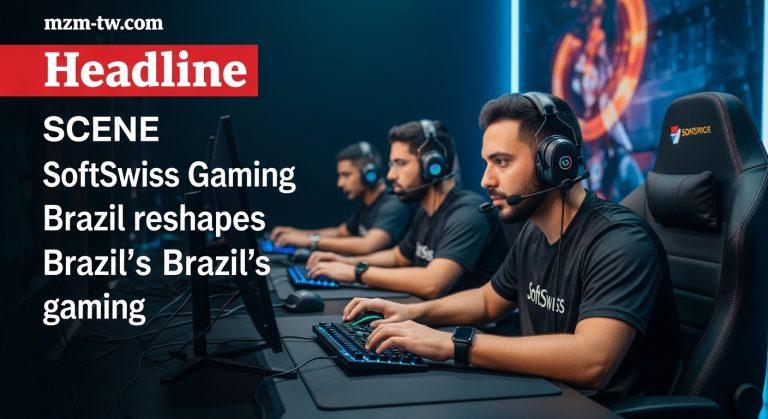
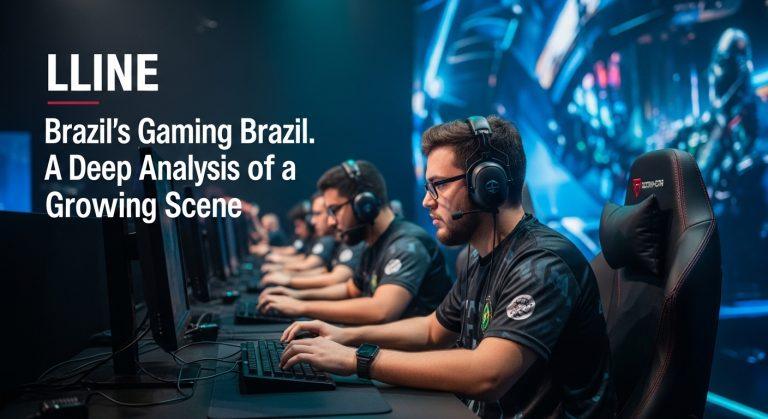
From the favelas to the metropoles, the fifa Gaming Brazil ecosystem has matured into a network of online leagues, community-run tournaments, and streaming channels that translate every global major into Brazil-specific tactics. Players juggle console, PC, and mobile play, often sharing strategies in local groups and on Brazilian-language channels that tailor meta to available gear and connectivity. The shift from purely casual play to structured competition has brought credibility and sponsorships, but it also highlights persistent obstacles: licensing adjustments, price pressure, and uneven access to hardware and reliable internet.
As Brazilian fans consume more live matches online, streamers become de facto coaches for aspirants, translating formation ideas into clicks and dribbles. Local organizers increasingly align with schools and clubs to create pipeline events that can attract regional sponsors. Yet the same global licensing framework that fuels this scene can also complicate cross-border play, patch cadence, and roster stability, leaving players exposed to sudden changes in gameplay balance or access rules.
Economic Pressures and the Real Costs of Fifa in Brazil
Prices for new FIFA titles and ongoing in-game packs are felt more acutely in Brazil, where income levels and currency volatility interact with regional store pricing and payment options. Many players rely on official stores and localized payment methods, while others face higher costs or delays when importing hardware or accessing premium content. The real-world effect is a bifurcated scene: a core of dedicated fans who invest in gear and subscriptions, and a broader audience that contends with affordability and intermittent connectivity. While microtransactions fuel development, they also invite criticism about spend-heavy progression and the sustainability of affordable access.
Policy, Licensing, and the Global Marketplace
EA’s decision to pivot from FIFA to EA FC reshaped expectations for Brazilian players and creators, with licensing cadence, regional tax rules, and digital rights shaping what is available where and when. Brazil’s regulatory environment—taxation, import duties, and credit for digital content—affects how quickly new versions reach players and how easily teams can stream events. Local events, sponsorships, and school partnerships offer a potential bridge between global franchises and community talent, underscoring how Brazil remains a crucial testing ground for new monetization models, online tournaments, and spectator-friendly formats.
Actionable Takeaways
- For players: join official EA FC community events and Brazilian leagues to build visibility, practice under standardized rules, and connect with coaches who understand local playstyles. Prioritize learning the meta changes as patches land, then adapt strategies quickly for local tournaments.
- For event organizers: invest in accessible venues and reliable internet, partner with schools or clubs to create youth pipelines, and offer moderated, fair-play atmospheres that attract sponsors without excluding casual fans.
- For publishers and retailers: localize pricing and payment options (including Brazil-friendly methods), synchronize patch cadence with regional leagues, and promote family-friendly, affordable entry points to reduce barriers to new players.
- For educators and community programs: use fifa Gaming Brazil as a platform to teach teamwork, digital literacy, and coachable feedback skills, turning competition into avenues for career development and mentorship.
- For fans and content creators: support legitimate access, participate in local events, and cultivate content that explains strategies and ethics, rather than simply chasing flashy results.
Source Context
From an editorial perspective, separate confirmed facts from early speculation and revisit assumptions as new verified information appears.
Track official statements, compare independent outlets, and focus on what is confirmed versus what remains under investigation.
For practical decisions, evaluate near-term risk, likely scenarios, and timing before reacting to fast-moving headlines.
Use source quality checks: publication reputation, named attribution, publication time, and consistency across multiple reports.