
Updated: March 13, 2026
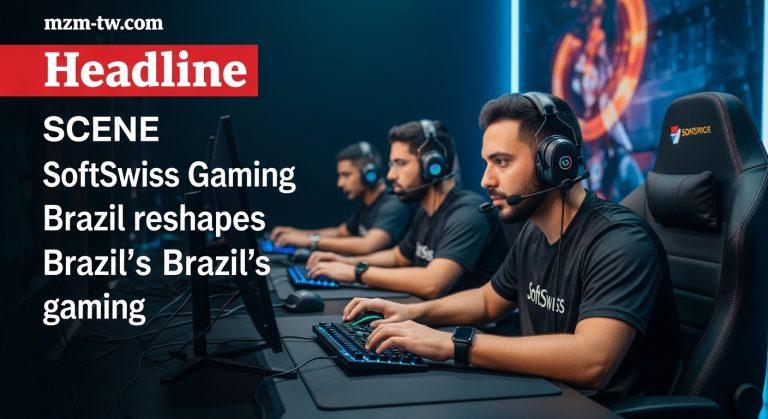
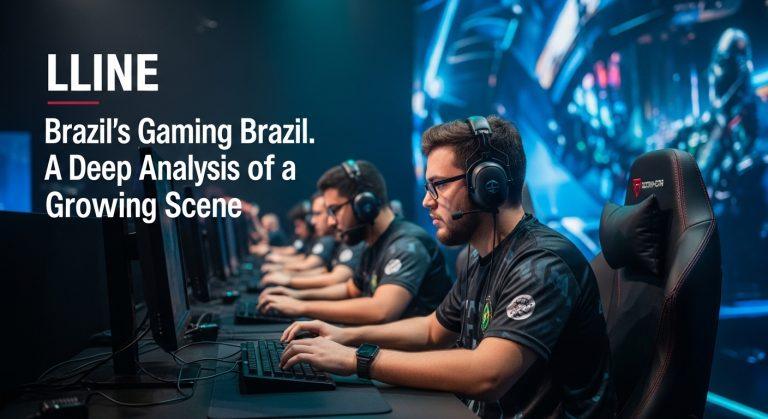
From streaming rooms across Brazil to competitive arenas, marcus Gaming Brazil sits at a crossroads of culture, commerce, and ambition. This analysis treats the brand not as a single product but as a lens on how Brazil’s gaming ecosystem can mature—through localized content, sustainable revenue models, and community-driven development. The focus is practical: what a Brazil-centric gaming entity must do to translate intense fandom into durable opportunity for players, developers, and fans alike.
Brazil’s Gaming Market: Trends and Drivers
Brazil’s gaming scene has evolved beyond novelty into a structured market with a large, diverse audience that consumes content in Portuguese and Portuguese-Brazilian cultural contexts. Mobile devices continue to propel user growth, with a broad spectrum of devices—from affordable smartphones to mid-range tablets—smoothing access to games, streaming, and social gaming. Streaming platforms remain central—live broadcasts, daily clips, and collaborative streams help convert casual viewers into long-term followers and potential customers for developers and publishers.
Beyond hardware and viewership, the Brazilian market is shaped by a mix of local content demand and global franchises that frame user expectations. Local teams and studios increasingly seek partnerships with broadcasters and sponsors to build recognizable brands within Brazil’s unique cultural milieu. This environment creates opportunities for a brand like marcus Gaming Brazil to anchor bilingual or Portuguese-language programs, sponsor regional tournaments, and seed content that resonates with Brazilian humor, cadence, and storytelling. Yet the market is price-sensitive, with advertising and in-game monetization needing tight localization to maximize return on investment without alienating audiences accustomed to free-to-play models and affordable microtransactions.
Regulatory and infrastructure considerations also influence growth. Data privacy regimes, payment logistics, and tax implications affect how revenue streams—advertising, sponsorships, subscriptions, and in-game purchases—are structured and scaled. The most resilient players in this space align with Brazilian developers, universities, and training programs to create talent pipelines that sustain content production, translation, QA, and event management. In short, the market rewards operators who blend local storytelling with scalable global mechanics while protecting user trust and accessibility.
Marcus Gaming Brazil: Strategy, Risk, and Identity
For marcus Gaming Brazil to stand out, a strategy centered on local relevance and long-term community health is essential. The brand should emphasize Portuguese-language content across formats—live streams, tutorials, and narrative-driven series that reflect Brazilian humor, sports culture, and regional dialects. A comprehensive talent-development program, including partnerships with universities and e-sports clubs, can cultivate players, commentators, editors, and developers who understand Brazil’s audience from the inside out.
Strategically, the brand must diversify revenue while reducing dependence on any single platform or format. This includes a mix of sponsored content with Brazilian brands, creator funds, merchandise, regional events, and monetized digital content that respects consumer price sensitivities. Local tournaments and academies can serve as feeder systems for talent, visibility, and sponsorships. Localization also means investing in production quality tailored to Brazilian tastes—fast-paced edits, community-driven formats, and host talents who speak directly to Brazilian fans in a relatable, culturally aware manner.
Risk management calls for attention to currency volatility, payment friction, and regulatory changes. Revenue models that rely heavily on a single platform or country-specific policy are vulnerable to sudden shifts. A balanced approach—combining ad-supported content, subscriptions, microtransactions, and diversified sponsorships—helps cushion shocks. Brand identity matters as well: marcus Gaming Brazil should project consistency, transparency, and accountability, which can convert casual audiences into loyal communities and dependable partners over time. Distinctive branding, aligned with Brazilian sports and music cultures, can reinforce trust and recognition even as markets fluctuate.
Forecasts and Scenarios for the Brazilian Gaming Ecosystem
Scenario planning helps translate broad market trends into concrete planning. In a best-case trajectory, continued mobile penetration, rising streaming adoption, and stronger ties with Brazilian developers lead to a robust ecosystem where marcus Gaming Brazil becomes a hub for localized content production, regional tournaments, and cross-border collaborations with other Latin American brands. In this world, revenue diversification compounds, and talent pipelines yield a steady stream of skilled creators who drive innovation and attract sponsorships. Operationally, the brand would prioritize scalable content formats, data-driven audience insights, and sustainable event models that can be replicated across cities.
In a base-case scenario, growth remains steady but uneven. Some regions or verticals may outperform others, demanding a calibrated approach to investment. Marcus Gaming Brazil would test multiple formats—solo streams, co-ops with developers, and short-form clips—to identify what resonates locally while maintaining global appeal. This path requires disciplined budgeting, modular production pipelines, and careful partnership selection to protect margins while expanding reach.
Under a cautious or adverse scenario, macroeconomic headwinds, platform policy shifts, or regulatory hurdles dampen growth. In this outcome, resilience comes from a community-first model: low-cost content, community-driven events, and affordable monetization options that maximize inclusivity. The focus shifts toward building trust and authenticity, with slower but steadier revenue streams secured through community subscriptions, local sponsorships, and cost-efficient content production. Regardless of the scenario, the central insight is that Brazil’s gaming audience rewards relevance and reliability—factors that marcus Gaming Brazil can operationalize through disciplined planning, local partnerships, and clear value propositions for players and brands alike.
Actionable Takeaways
- Prioritize localized content: produce in Portuguese, reflect Brazilian culture, and collaborate with local creators to deepen audience trust.
- Invest in talent development: partner with universities and regional studios to build a sustainable pipeline of players, commentators, and editors.
- Diversify revenue streams: combine sponsorships, ads, subscriptions, and affordable microtransactions with regional events to stabilize income.
- Build resilient operations: develop modular production workflows and scalable event formats to adapt to market fluctuations.
- Monitor policy and payments: stay ahead of regulatory changes, privacy rules, and cross-border payment challenges to protect revenue and user experience.
- Foster a strong brand identity: anchor the community with consistent messaging, transparency, and culturally resonant storytelling.